Nearly 5,000 healthcare professionals will convene to gain actionable ideas and strive to effect real change in healthcare quality and safety at the 26th annual Institute for Healthcare Improvement (IHI)'s National Forum on Quality Improvement in Health Care Dec. 7-10, 2014, in Orlando, Fla.
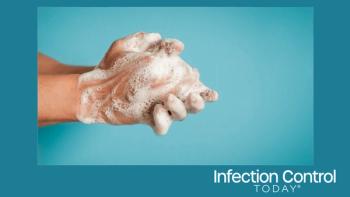
DebMed® will be educating attendees ranging from physicians, nurses, researchers and quality and safety professionals on best practices for clinical hand hygiene and the newest tools to improve healthcare worker hand hygiene compliance. By leveraging sophisticated data analytics tools, the DebMed portfolio of solutions has enabled healthcare organizations around the world to prompt hand hygiene behavior change to ultimately reduce the spread of deadly and costly infections.
DebMed® client Riverside Medical Center in Kankakee, Ill., will be giving a 30-minute presentation, “Implementing Electronic Monitoring to Improve Patient Safety & Quality” on Dec. 9. The DebMed booth #806 will be highlighting the DebMed GMS™, an award-winning electronic hand hygiene compliance monitoring system based on hand hygiene standards recommended by the World Health Organization (WHO) and the Centers for Disease Control and Prevention (CDC).
According to the CDC, on any given day, approximately 1 in 25 hospital patients acquires a healthcare-associated infection. In 2011, the CDC reported a total of 722,000 hospital patients that acquired an HAI. For more than 25 years, the Institute for Healthcare Improvement (IHI) has focused its work in five key areas, including Improvement Capability, Person and Family Centered Care, Patient Safety, Quality, Cost and Value and Triple Aim of Populations. Hand hygiene is proven as the first line of defense against the spread of germs and diseases, yet best practices can often be overlooked.
Half of all HAIs are preventable, which could save thousands of lives and millions of dollars on the hospitals bottom line every year. To help reduce the spread of HAIs, hospitals need to make better choices in the tools they use, conduct better monitoring practices, and make it easier to comply with hand hygiene standards. The DebMed GMS is the only research-based electronic hand hygiene compliance monitoring system that predicts the number of expected hand hygiene opportunities in each unit and compares it to healthcare worker performance. With the use of DebMed’s technology, a hospital can improve hand hygiene compliance by as much as 40 percent.
“The National Forum on Quality Improvement in Health Care is committed to improving the quality and value of health care, a goal that matches up well with DebMed’s mission to provide a higher standard of care,” says Heather McLarney, vice president for DebMed North America. “With an overwhelming amount of research supporting the impact of hand hygiene on health system quality and patient safety, we aim to educate IHI attendees who in turn can lead the change for electronic hand hygiene monitoring and make it a 2015 priority.”
Source: DebMed®