|Articles|December 10, 2019
- Infection Control Today, Dec 2019 (Vol. 23 No. 10)
- Volume 23
- Issue 10
December 2019 Bug of the Month
Bug of the Month helps educate readers about existing and emerging pathogens of clinical importance in healthcare facilities today.
Advertisement
Bug of the Month helps educate readers about existing and emerging pathogens of clinical importance in healthcare facilities today. Each column explores the Bug of the Month's etiology, the infections it can cause, the modes of transmission, and ways to fight its spread. The pathogen profiles will span bacterial, viral, fungal and parasitic species. We encourage you to use Bug of the Month as a teaching tool to help educate healthcare personnel and start a dialogue about microbiology-related imperatives.
Articles in this issue
almost 7 years ago
Disinfecting Duodenoscopes: Does the Method Make a Difference?almost 7 years ago
UV Disinfection Tackles MRSA-What About C difficile?Advertisement

Related to this article

This week's coverage in Infection Control Today centered on a common thread: the systems, partnerships, and data that let infection prevention teams catch problems before patients are harmed.

What might infection prevention rounds miss when visible conditions dominate the conversation? Tommy Davis, PhD, CMIP, a member of ICT's executive advisory board, makes the case for structured observations of clinical workflows, shared accountability, and greater attention to environmental services staff’s insights.

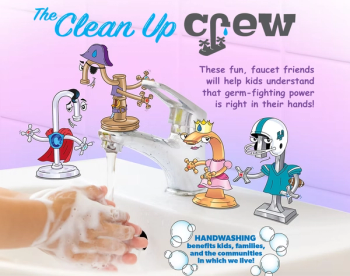
Artist and designer Matthew Caliman shares how personal loss inspired the Cleanup Crew, a handwashing education project using cartoon faucets, songs, and games to help families revisit an essential health message.

This week on Infection Control Today, the stories ranged from emerging drug-resistant pathogens circling the globe to a landmark decade of surface science—all against a backdrop of ongoing outbreaks and a hard look at what the profession owes its own workforce.

How do you celebrate an infection that never happened?
That's one of the unusual challenges infection preventionists share with teachers.
Both can spend their careers changing outcomes they may never see. Both educate people who don't always want to listen. Both are second-guessed. Both face burnout. And both must somehow keep remembering why they started.
Advertisement
Advertisement