|Articles|February 4, 2002

Dengue Fever Infects Cuba

HAVANA, Cuba-President Fidel Castro discussed a recent outbreak of dengue fever in Cuba this week during a televised speech.

Castro reported two deaths and more than 1,600 infections since November of the mosquito-borne illness. Dengue fever is fatal in 5% of infections, however it can cause serious hemorrhagic fever. Other symptoms include headache and rashes on the palms and feet.

Dengue is transmitted by the Aedes aegypti mosquito, which prefers to feed during the day. The virus has four serotypes, DEN-1, DEN-2, DEN-3, and DEN-4, meaning a person potentially can have four different infections for the same disease. Dengue is in the genus Flavivirus and was first detected in epidemics during 1779-1780 in Asia, Africa, and North America.

A global pandemic of the disease has hit southeastern Asia since World War II, with infection rates increasing annually. By 1975, Dengue had become the leading cause of death of children in the region.

Castro said the Cuban government has made a concerted effort to destroy mosquito breeding grounds. Buildings have been fumigated and garbage has been cleared from the streets. Havana hospitals have also reportedly created isolation rooms for those infected.

The last Cuban outbreak of dengue was reportedly killed 158 people in 1981.

Information from www.reuters.com, previous Infection Control Today reports


Related to this article

A brightly lit Hospital operating room, a surgical team wearing gowns and masks.  (Adobe Stock 1790696595 by Damian)
Turnover pressure can leave critical OR cleaning steps unfinished. Karen deKay, MSN, RN, EBP-C, CNOR, CIC, FAPIC, examines common gaps in environmental hygiene and how shared responsibilities, attention to disinfectant contact time, and ongoing education can help teams strengthen practices between cases.
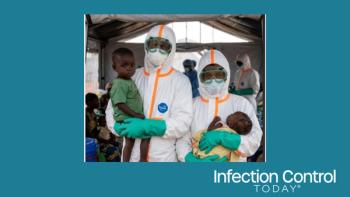
Infection preventionists in full PPE with children in DRC.  (Image credit: author with AI)
Nearly 4 months into the DRC's Bundibugyo virus disease outbreak, some indicators suggest transmission may be slowing. But shifting hotspots, treatment-center capacity problems, community deaths, and incomplete surveillance data show why national case totals alone cannot determine whether containment has been achieved.
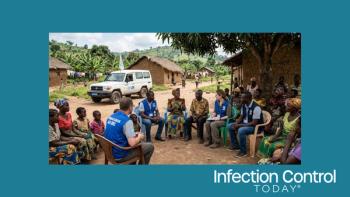
Health care workers from the US speaking with other health care workers in DRC.  (Image credit: author with AI)
Is the Ebola outbreak in the DRC getting better? The answer depends on which numbers you examine. Several important indicators are moving in the right direction, including slower case growth and a declining Rₜ. But major gaps remain in contact tracing, testing, community deaths, safe burial coverage, and treatment capacity in some of the hardest-hit areas. ICT takes a deeper look at the latest outbreak data and why the numbers suggest cautious optimism, not victory.