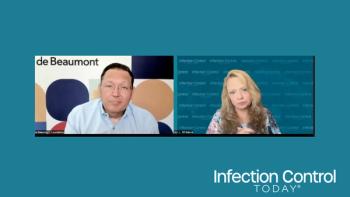
The sudden wave of layoffs at the Department of Health and Human Services (HHS) and the Healthcare Infection Control Practices Advisory Committee (HICPAC) has sent ripples across the infection prevention community. In a recent discussion with Infection Control Today®, 2025 APIC president Carol McLay, DrPH, MPH, RN, CIC, FAPIC, FSHEA, offered a sobering assessment of the short- and long-term consequences of these drastic staffing cuts, which have impacted thousands of public health professionals nationwide.
According to McLay, the announcement—though not unexpected—still struck a harsh blow to the infection prevention workforce. Many within the field had anticipated federal pullbacks in public health investment, but the scale and swiftness of the layoffs have created a wave of uncertainty and concern. Public health departments, including CDC divisions focused on hepatitis and HIV, are already experiencing the fallout.
"I think it's going to take some time for health departments and any of these agencies to figure out where their priorities are," McLay said. "Now with a reduced staff, my understanding is that they have not really received any information at all or any internal direction as to what they need to prioritize. So I think there's a lot of mass confusion going on in these departments currently, so hopefully at some point that will clear and they will be able to prioritize, [and] what those priorities will look like."
These cuts come when infection prevention teams are already under strain from the residual impact of the COVID-19 pandemic. According to McLay, entire departments are being dismantled without clear communication, direction, or transparency. Local and state health departments, many of which rely on federally allocated grants to conduct outbreak investigations and deliver essential services, have been left in limbo.
The loss of this infrastructure has direct implications for infection control. With fewer personnel, key outbreak investigations—such as those linked to foodborne illnesses—may be delayed or missed altogether. Hospitals may struggle to contain healthcare-associated infections (HAIs), and there are growing concerns about the capacity to respond to emergent threats.
McLay emphasized that infection preventionists (IPs) are particularly vulnerable. Already operating with limited resources, some hospital systems have started cutting IP positions. This diminishes the ability to monitor infection trends, enforce prevention protocols, and educate staff—ultimately increasing patient risk and driving up health care costs.
The ripple effect does not end at the hospital. Cuts to programs addressing tobacco cessation, obesity, and food security are likely to worsen comorbidities that heighten susceptibility to infection. Though often siloed from infection prevention discussions, these upstream social determinants directly influence patient outcomes and hospital readmissions.
McLay also expressed concern for the future of the profession. With 40% of IPs expected to retire within the next 5 years, workforce development has been a priority for APIC. However, the instability caused by the layoffs threatens to erode interest in public health as a viable career path. As a result, university programs in public health may face dwindling enrollment and potential closure, compounding the shortage of qualified professionals.
Despite the grim outlook, McLay underscored the importance of advocacy. APIC has activated its “Voice for Advocacy” initiative, which provides tools for infection prevention professionals and the public to contact their lawmakers. Organized action has made a difference in past advocacy efforts, such as preserving the Epidemic Intelligence Service (EIS) officer roles at the CDC.
McLay encouraged IPs to remain resilient, stay connected, and use their voices to fight for the resources and recognition they deserve. She urged the public to vote, advocate for their communities, and demand accountability from those in power.
"Stay strong, public health personnel. We love you. We need you. Don't give up. We are continuing to fight," McLay said.
As the health care system braces for the full impact of these sweeping cuts, the infection prevention community is left to manage not only the risk of pathogens, but the risk of being unheard.