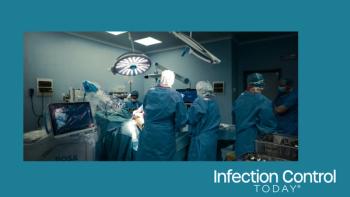
An ICU study found that alcohol-based hand rub applied after patient care reduced glove bioburden, while staff raised feasibility concerns. Researchers stress that the practice does not replace glove changes or hand hygiene.
Detox is a short but high-risk window for infection. Disrupted sleep, shared spaces, and intensive medication workflows raise exposure pressure. Leading detox programs in San Diego reduce risk with structured intake screening, disciplined medication handling, time-based cleaning, zoning for symptoms, and practical discharge planning that keeps infections from following patients home.
Medical detoxification from alcohol or drugs is a brief, high-focus stage during which people stabilize and move toward the next step in care. Infection pressure rises in this window because sleep is disrupted, hydration swings, and spaces are shared. Programs that run smoothly usually look boring on purpose: screening that catches symptoms early, medication rounds that do not turn carts and cups into germ highways, cleaning that follows a clock, and discharge planning that does not forget respiratory season.
For a clinical audience, the bar is simple and measurable. Routines should be predictable, documentation should be easy to audit, and the environment should support hygiene without forcing staff to improvise during the busiest hours of the day.
The First 24 hours: Set the Baseline to Keep the Unit Calm
The first day determines whether the rest of the stay feels steady. Intake that does more than collect forms makes a difference: recent fever or cough checks, quick review of
Facilities offering medical stabilization in Southern California should be able to show that flow in plain terms; providers that deliver evidence-based
Medication Workflows Improve Safety by Emphasizing the Smaller Touchpoints
Medication eases withdrawal, yet every pass adds surfaces and hands to the picture. A tight loop keeps it clean. Carts need to be parked in consistent spots with
Training works best when it follows the day’s natural spikes: before breakfast when lines form, midafternoon when fatigue rises, and overnight when light is low. Instructions to patients should be short and repeatable, as restless nights and dehydration can impair recall. The result is rhythm, not spectacle: clean, medicate, sanitize, document, move.
Five-Minute Cart-Side Audit That Catches Most Problems
Air, Surfaces, And Zoning Build a “Boringly Clean” Space
Cleaning should be time-based, not complaint-based.
Sleep, Hydration, and Snacks: Key Comfort Factors That Also Promote Hygiene
Withdrawal makes poor sleep and low fluids hit harder, which quietly raises infection susceptibility. Units can support comfort and hygiene together by dimming lights on schedule, clustering checks to avoid constant door knocks, and placing water and tissues within easy reach so staff do not shuttle supplies back and forth all night. Snack stations should be away from soiled-linen routes, and wipe-downs should tie to meal windows rather than “whenever someone remembers.” Shared fridges need simple label rules with dates; once mystery containers appear, hands linger, and door time increases. Bedside caddies cut wandering for sanitizer at night, and a short “what to do if coughing starts” card reduces guesswork. Small moves like these lower touchpoints while making rooms feel cared for.
Discharge Planning: Prevent Infections From Hitching a Ride Home
Detox is a bridge, so the send-off cannot be a sprint to the parking lot. Before day 3, teams confirm follow-ups, review basic skin or wound care for injection sites or dermatitis, and add a one-page respiratory reminder for anyone who developed symptoms on the unit. Homes with higher-risk relatives need plain language: M
Consistency Beats Slogans, and Patients and Staff Know
Units that run on steady infection control habits feel different the moment the door opens. Supplies sit where hands expect them. Cleaning follows a clock, not a complaint. Medication areas do not turn into bottlenecks. Staff talks in clear, short steps, so patients understand what happens next, even when sleep is thin. Perfection is not required; repeatability is. For both San Diego programs and programs in other locations that see a mix of referral sources and family visits, this calm baseline keeps withdrawal care on track through busy seasons. Choose facilities that show their routines without prompting, invite quick audits, and document what they do in ways any new hire can follow. The smoother the basics, the fewer avoidable disruptions during the days when stability matters most.