This week's coverage in Infection Control Today centered on a common thread: the systems, partnerships, and data that let infection prevention teams catch problems before patients are harmed.
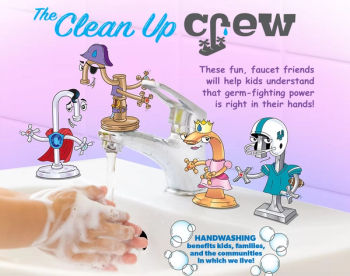
Many people may be surprised that 80 percent of all infectious diseases are transmitted by touch.[1] Implications of sicknesses like the common cold that spread through contact have led to a U.S. economic effect of $25 billion in lost productivity. [2] One of the easiest ways to help prevent the spread of illness is through proper hand hygiene, yet less than one third of U.S. adults report always washing their hands after coughing and sneezing, according to a Harris Interactive study.[3]
To help encourage more frequent handwashing and drying, Georgia-Pacific Professional presents a shareable infographic available at
Illness prevention through hand hygiene is a crucial subject that needs to be discussed because its impact on public health and business operations is astounding, says Alex Volpe, vice president and general manager, towel category Georgia-Pacific Professional. It is important for consumers, workers and businesses to practice proper hand hygiene and to encourage others to incorporate it into their daily routines. We ask users to share this infographic as a tool to help spread wellness, as we know education can be directly tied to improved hand hygiene practices.
Along with statistics, the infographic outlines proper hand hygiene techniques as well as the importance of drying with a paper towel in preventing illness transmission. This infographic also supports the 10th anniversary of enMotion® touchless dispensers, recognizing the impact touchless dispensing has provided in helping create more hygienic, clean and attractive public hand washing areas. Since 2002, enMotion® touchless towel dispensers have helped dry about 272 billion hands. Thats about the same as the entire U.S. population washing their hands 937 times.
During the ISSA/Interclean conference Oct. 17-18, 2012, Georgia-Pacific Professional will host parties at booth 1725 to celebrate the anniversary. Follow @GPProfessional on Twitter for updates on touchless hygiene solutions and look for #ISSApartytime for a chance to win prizes.
For more information on the enMotion brand anniversary or products, visit
References:
1. National Awareness Handwashing Week, N.A. Certification Map.
2. Productivity Losses Related to the Common Cold research. Journal of Occupational and Environmental Medicine. September 2002
3. Harris Interactive online survey with consumers, November 2010 prepared for The American Microbiology Society and the American Cleaning Institute
Source: Georgia-Pacific Professional
Â