|Articles|May 16, 2023
- Infection Control Today, May 2023, (Vol. 27, No. 4)
- Volume 27
- Issue 4
Bug of the Month: I'm More Dangerous to Children
Author(s)Tori Whitacre Martonicz, MA
Bug of the Month helps educate readers about existing and emerging pathogens of clinical importance in health care facilities today.
Advertisement
Bug of the Month helps educate readers about existing and emerging pathogens of clinical importance in health care facilities today. Each column explores the Bug of the Month's etiology, the infections it can cause, the modes of transmission, and ways to fight its spread. The pathogen profiles will span bacterial, viral, fungal, and parasitic species. We encourage you to use Bug of the Month as a teaching tool to help educate health care personnel and start a dialogue about microbiology-related imperatives.
Articles in this issue
over 3 years ago
Surgical Attire: Policy Development Resourcesover 3 years ago
The Duration of Antibiotics: Why Short Is Good in the Long Runover 3 years ago
Exploring the Environmental Impact of Antibiotic Overuseover 3 years ago
A Road Map to Off-Site Sterilizationover 3 years ago
The Challenges and Joys of a Nurse Infection PreventionistAdvertisement
Related to this article

Missing instruments and processing delays can strain OR–SPD relationships. At AORN 2026, John Kimsey, vice president of processing optimization and customer success for STERIS, discusses understanding root causes, exploring off-site reprocessing for ambulatory surgical centers, and using hands-on simulation to help surgical teams see sterile processing from a different perspective.

This week's coverage in Infection Control Today centered on a common thread: the systems, partnerships, and data that let infection prevention teams catch problems before patients are harmed.

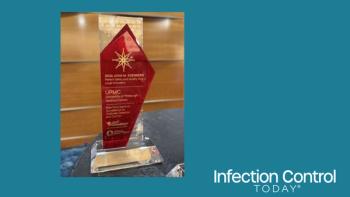
UPMC’s genomic surveillance initiative earned national recognition for patient safety. Alexander Sundermann, DrPH, CIC, FAPIC, AL-CIP, explains how the award could help infection preventionists secure leadership support and sustainable funding for earlier outbreak detection.

What might infection prevention rounds miss when visible conditions dominate the conversation? Tommy Davis, PhD, CMIP, a member of ICT's executive advisory board, makes the case for structured observations of clinical workflows, shared accountability, and greater attention to environmental services staff’s insights.

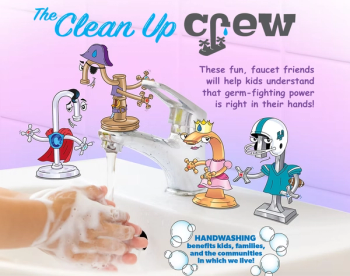
Artist and designer Matthew Caliman shares how personal loss inspired the Cleanup Crew, a handwashing education project using cartoon faucets, songs, and games to help families revisit an essential health message.

What Were the Biggest Infection Prevention Stories This Week? Ebola's Outpaced Response, Lyme Coinfection Data, and Sterile Processing Burnout Explained, and more

This week on Infection Control Today, the stories ranged from emerging drug-resistant pathogens circling the globe to a landmark decade of surface science—all against a backdrop of ongoing outbreaks and a hard look at what the profession owes its own workforce.

A 10-year NIH-funded study used Bayesian statistical modeling to examine the relationship between continuously active EOScu surfaces and HAI reduction. EOS Surfaces representatives discuss the findings, passive infection prevention, environmental recontamination, and why IPs should continue asking tough questions.
Advertisement
Advertisement