Experts at the National Foundation for Infectious Diseases (NFID) Influenza/Pneumococcal news conference last week encouraged preventive measures be taken during the upcoming flu season to help reduce the spread of illness and infection.
The news conference highlighted, among other things, the Centers for Disease Control and Prevention's "3 Actions to Fight the Flu." The "Take 3" approach recommends the following:(1)
•Take the time to get the flu vaccine as soon as it is available in your community
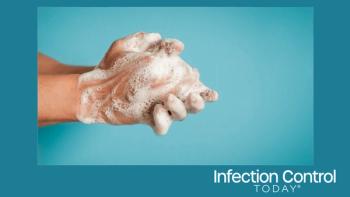
•Take every day preventive actions, including washing your hands with soap and water and if soap and water are not available use an alcohol-based hand sanitizer
•Take antiviral drugs if your doctor prescribes them for the flu
"Influenza affects 5 percent to 20 percent of the U.S. population and hospitalizes more than 200,000 people each year so it's important to get an annual flu vaccine as the first line of defense in flu prevention," said William Schaffner, MD, past-president of the NFID and moderator of the NFID Influenza/Pneumococcal News Conference. "In addition to an annual flu vaccine, everyday hand hygiene is an important step to help reduce the spread of infections that cause illness."
"It has been reported that 80 percent of germs are transmitted by the hands, which makes hand hygiene a critical piece in stopping the spread of illness during cold and flu season," says Jim Arbogast, PhD, GOJO vice president of hygiene sciences and public health advancements. "Illness prevention is about reducing risk, and practicing everyday hand hygiene – washing with soap and water and using an alcohol-based hand sanitizer at key moments throughout the day– is a simple and effective way to reduce the risk of getting sick or making others ill."
Studies have been conducted on the effect of hand hygiene and how it relates to the flu, respiratory and viral infections. A study led by Elaine Larson, RN, PhD, from the School of Nursing and Mailman School of Public Health at Columbia University, published in the American Journal of Infection Control, found that alcohol-based hand sanitizer whether foam, gel or wipes all significantly reduce viruses on hands.(2) A study published in the Food Environ Virol also found that that the use of an alcohol-based hand sanitizer not only reduces the transfer of a virus to the hands, but to the commonly touched surfaces within the household as well.(3)
GOJO, which provided support for the NFID news conference, provides information and education on its GOJO website to help businesses promote hand hygiene as a wellness initiative at www.gojo.com/coldandflu and for the public on the PURELL® Hand Sanitizer website at www.purell.com/coldandflu.
1. http://www.cdc.gov/flu/protect/preventing.htm
2. Larson E, Cohen B, Baxter K. Analysis of alcohol-based hand sanitizer delivery systems: efficacy of foam, gel, and wipes against influenza A (H1N1) virus on hands. American Journal of Infection Control, 2012 November: 40(9):pp. 806-9.
3. Tamini A, Carlino S, Edmonds S, Gerba C. Impact of an Alcohol-Based Hand Sanitizer Intervention on the Spread of Viruses in Homes. Food Environ Virol, 2014 April. 6:140-144.
Source: GOJO Industries