|Videos|June 29, 2020

Q&A: Preparation Paid Off When COVID-19 Struck

Author(s)Frank Diamond

Fibi Attia, MD, the infection prevention coordinator at Penn State Milton S. Hersey Medical Center, says that the main challenge for infection preventionists in the COVID-19 pandemic is not knowing who might be carrying the disease.

Having drilled for a pandemic and having put in place a pandemic plan helped hospital staff and the infection control and prevention department a lot when the real thing struck in the form or COVID-19, says Fibi Attia, MD, the infection prevention coordinator at Penn State Milton S. Hersey Medical Center. Attia, who is also a member of Infection Control Today®’s Editorial Advisory Board, says that before the COVID-19 pandemic, making sure that hospital staff followed standard precautions represented the main challenge for infection preventionists. After COVID-19, the main challenge was treating patients with the knowledge that they could be carriers of the coronavirus. And limiting exposure of healthcare workers to COVID-19 remains a constant concern.


Related to this article

A group of students raising their hands in class during a lecture  (Adobe Stock 292282454 by Mediteraneo
How do you celebrate an infection that never happened? That's one of the unusual challenges infection preventionists share with teachers. Both can spend their careers changing outcomes they may never see. Both educate people who don't always want to listen. Both are second-guessed. Both face burnout. And both must somehow keep remembering why they started.
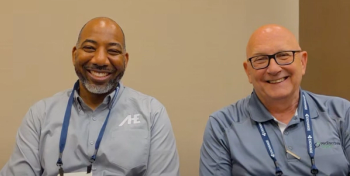
Donald Sipp, Jr, MBA, RESE, CHESP, CHTI-2, CMIP, PMP, and David Green  (Image credit: author)
“Cutting” waste shouldn’t mean cutting people. At AHE Exchange26, David Green and Donald Sipp explored how EVS departments can improve performance by strengthening workplace culture, empowering employees, eliminating inefficient processes, and understanding EVS’s critical role in patient throughput. One case study showed bed turnaround times falling from nearly 2 hours to less than an hour, but the larger lesson wasn't simply about speed. High-performing EVS operations begin with a strong foundation.