Safe in Common (SIC), the non-profit organization of healthcare safety advocates dedicated to eradicating needlestick and sharps-related injuries, today opened registration for the first in a series of events addressing needlestick safety titled "The Unfinished Agenda."
This is the first in a series of critical discussion among the nation's foremost healthcare personnel safety experts and the frontline workers who face needlestick and sharps danger without a unified plan to address the shortcomings in injury prevention. This event picks up where federal regulations left off more than 10 years ago. The event is as an examination of modern needlestick safety past and present. From its roots in the HIV/AIDS crisis to where we stand today, "The Unfinished Agenda" is built upon the historical perspective that can only be provided by the nation's foremost thought leaders and experts who individually have been fighting for increased safety, combined with the voices of concern from the frontlines of today's healthcare environments. All are invited to participate in this unique examination of needlestick and sharps safety where it was, where it is, and where it needs to be.
To register for this free event, CLICK HERE.
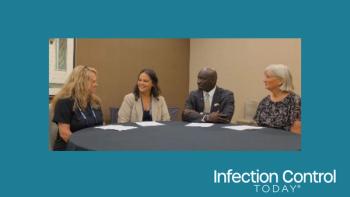
The online conference, moderated by SIC chairperson Mary Foley, PhD, RN, will occur live on Wednesday, Nov. 14, 2012 beginning at 1 p.m. ET. Registration is free and open to the public for the hour-long event. Foley, one of the world's foremost experts on healthcare worker safety and director at the Center for Nursing Research/Innovation at the University of California San Francisco (UCSF) School of Nursing, will be joined by:
- PJ (Pamela J.) Haylock, PhD, RN, FAAN, CEO of the Association for Vascular Access
- Dr. Janine C. Jagger, professor of research in internal medicine and infectious diseases at the University of Virginia, as well as founder and director of the International Health Care Worker Safety Center at the University of Virginia
- Gina Pugliese, vice president of the Premier Safety Institute, adjunct faculty at the University of Illinois School of Public Health and Rush University College of Nursing, and senior associate editor of Infection Control and Hospital Epidemiology.
The event will feature a live discussion as well as interviews and videos with student nurses, key opinion leaders and healthcare workers across the U.S. The discussion will take an important look at the history of needlestick safety as SIC continues to push all stakeholders to go beyond the status quo to create a safer environment of care for all involved.
This online conference is the next step in Safe in Common's continued mission to educate people about the risks of needlesticks and sharps related injuries and bind them together as a unified front. This event will shine a bright light on the myriad concerns and demands for action from doctors, nurses, healthcare personnel, and administrators whose unity is needed to introduce the long-overdue innovation, awareness and demand for a safer work environment for the healthcare personnel who save American lives each day.Â
The online conference format will provide unparalleled engagement and interaction with the individuals who for decades have been leading the charge toward advanced healthcare personnel safety, and those who still face the real dangers every day. The event will launch a series of exclusive SIC videos that have captured the demands, dreams and calls to action from the nation's healthcare personnel. As SIC continues to be the unifying force for associated protection for workers across the healthcare spectrum, attendees will have the unique opportunity to ask one-on-one what they can do to protect themselves and their coworkers. The event will feature downloadable content for personnel and administrators to learn and do more.
The event is part of SIC's on-going efforts to spark innovation, awareness and change across the healthcare spectrum, with a core focus on the Needlestick Safety Pledge.
For more information about the online conference, visit: http://bit.ly/SICconf. To join the cause and be a part of the mission, take the pledge at www.safeincommon.org.