News|Articles|September 24, 2026

Surgical Mask Fit and Fogging: Why Small Disruptions Matter in the Operating Room

A shifting mask or fogged eyewear can interrupt focus when precision matters most. Dana Weaver Storm, MHA, BSN, RN, examines the challenges of prolonged surgical mask use and how perioperative leaders can support comfort, visibility, and consistent adherence.

During a lengthy surgical procedure, a shifting mask, moisture buildup, or fogged eyewear can repeatedly pull a clinician’s attention away from the operating field. Addressing these frustrations is a practical concern for infection prevention and perioperative leaders working to support consistent masking practices.

Related to this article

Image of Pathogens flying   (Adobe Stock weerasak)
Behind every landmark in infection prevention, from antimicrobial stewardship guidelines to the COVID-19 town halls that reached flight attendants and teachers, is a generation of physician-scientists who led SHEA through crises, organizational change, and scientific breakthroughs. Infection Control Today traces 30 years of SHEA presidents and the lasting mark they left on the field.

AORN26 New Orleans 2026  (Adobe Stock)
Missing instruments and processing delays can strain OR–SPD relationships. At AORN 2026, John Kimsey, vice president of processing optimization and customer success for STERIS, discusses understanding root causes, exploring off-site reprocessing for ambulatory surgical centers, and using hands-on simulation to help surgical teams see sterile processing from a different perspective.
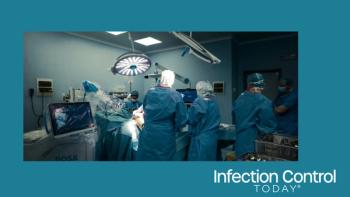
A brightly lit Hospital operating room, a surgical team wearing gowns and masks.  (Adobe Stock 1790696595 by Damian)
Turnover pressure can leave critical OR cleaning steps unfinished. Karen deKay, MSN, RN, EBP-C, CNOR, CIC, FAPIC, examines common gaps in environmental hygiene and how shared responsibilities, attention to disinfectant contact time, and ongoing education can help teams strengthen practices between cases.
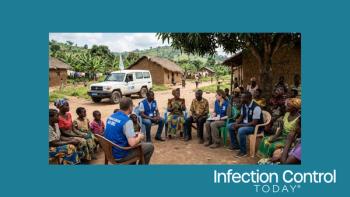
Health care workers from the US speaking with other health care workers in DRC.  (Image credit: author with AI)
Is the Ebola outbreak in the DRC getting better? The answer depends on which numbers you examine. Several important indicators are moving in the right direction, including slower case growth and a declining Rₜ. But major gaps remain in contact tracing, testing, community deaths, safe burial coverage, and treatment capacity in some of the hardest-hit areas. ICT takes a deeper look at the latest outbreak data and why the numbers suggest cautious optimism, not victory.
Water  (Adobe Stock 456102510 by stockphoto-graf)
Understanding current water quality is a starting point for ST108 implementation. John Kimsey, vice president of processing optimization and customer success for STERIS, spoke about his HSPA presentation on assessing readiness, distinguishing system qualification from routine testing, and understanding where water samples should be collected.