

Feature|Videos|October 21, 2025
Why UV Devices Used in Hospitals Are Regulated by the FDA
Advertisement
Episodes in this series
Dozens of UV vendors crowd the market, but only 2 devices are FDA-cleared for whole-room microbial reduction—setting a new bar for what “legal to market” actually means. In this segment, Elizabeth Claverie, a former FDA leader, explains the de novo and 510(k) pathways and why products making microbial-reduction claims are medical devices that must be cleared before hospitals buy or use them. Sade L. Rolon, MBA, CMIP, CHESP, T-CHEST, T-CSCT, an EVS operations expert, then spotlights the on-the-ground reality: pandemic-era fleets, uneven awareness, and the urgent need for shared criteria and education to get programs compliant.
Advertisement
Related to this article

This week's coverage in Infection Control Today centered on a common thread: the systems, partnerships, and data that let infection prevention teams catch problems before patients are harmed.
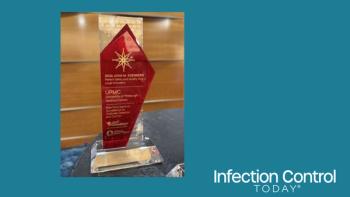
UPMC’s genomic surveillance initiative earned national recognition for patient safety. Alexander Sundermann, DrPH, CIC, FAPIC, AL-CIP, explains how the award could help infection preventionists secure leadership support and sustainable funding for earlier outbreak detection.
Knowing the protocol is only the beginning. In The Clean Bite, Sherrie Busby explores how explaining the why, addressing staff concerns, and creating clear procedures can help dental teams make infection control part of everyday practice.
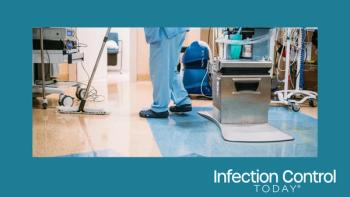
What might infection prevention rounds miss when visible conditions dominate the conversation? Tommy Davis, PhD, CMIP, a member of ICT's executive advisory board, makes the case for structured observations of clinical workflows, shared accountability, and greater attention to environmental services staff’s insights.
A proposed $27.7 million reduction in AHRQ funding raises questions about support for infection prevention research and implementation. Here is what the September 25 announcement identifies, as well as what remains unknown about specific IPC programs.

Two posters presented by Karen Jones, MPH, RN, CIC, FAPIC, at the APIC Annual Conference and Exposition examine surveillance responsibilities and staffing in small hospitals, as well as IPs’ reported experiences after implementing electronic surveillance. Findings highlight opportunities for more investigation, rounding, and communication.

A followed procedure can still leave patients at risk if it no longer matches validated requirements. Annetta L. McKnight, MHA, BSN, CRCST, CER, examines how infection prevention and sterile processing can identify process drift, assess disruptions, and strengthen shared oversight of medical device reprocessing.

Artist and designer Matthew Caliman shares how personal loss inspired the Cleanup Crew, a handwashing education project using cartoon faucets, songs, and games to help families revisit an essential health message.
Advertisement
Advertisement
Trending on Infection Control Today
1
How Purposeful Infection Prevention Rounding Supports Patient Safety and EVS Collaboration
2
UPMC’s Genomic Surveillance Award Opens the Door to Funding Conversations
3
ICT Weekly Rounds: Genomic Surveillance Wins, Reprocessing Drift, and a Century-Old Measles Warning
4