

Feature|Videos|October 21, 2025
Loopholes in the UV Device Industry
Advertisement
Episodes in this series
Next up are enforcement and accountability. Our panel tackles why more vendors must pursue FDA clearance, how “imposter” devices slip through loopholes, and why scrutiny should extend to both sellers and the hospitals that buy them. We then zoom out to the practical reality—just as with chemical disinfectants, UV will need a clear-eyed list of pros and cons to guide evidence-based adoption.
Advertisement
Related to this article

Florida’s dengue outbreak highlights the importance of recognizing symptoms, identifying warning signs, and preventing mosquito bites. Ubong Johnson, MD, explains local transmission, diagnostic testing, treatment, and practical prevention measures.

Understanding current water quality is a starting point for ST108 implementation. John Kimsey, vice president of processing optimization and customer success for STERISS, spoke about his HSPA presentation on assessing readiness, distinguishing system qualification from routine testing, and understanding where water samples should be collected.

An unexplained death at a Russian plague research institute has prompted international scrutiny. The incident raises questions about laboratory safety, transparent reporting, and infection prevention preparedness while the cause remains unconfirmed.

Behind every landmark in infection prevention, from antimicrobial stewardship guidelines to the COVID-19 town halls that reached flight attendants and teachers, is a generation of physician-scientists who led SHEA through crises, organizational change, and scientific breakthroughs. Infection Control Today traces 30 years of SHEA presidents and the lasting mark they left on the field.

Missing instruments and processing delays can strain OR–SPD relationships. At AORN 2026, John Kimsey, vice president of processing optimization and customer success for STERIS, discusses understanding root causes, exploring off-site reprocessing for ambulatory surgical centers, and using hands-on simulation to help surgical teams see sterile processing from a different perspective.

This week's coverage in Infection Control Today centered on a common thread: the systems, partnerships, and data that let infection prevention teams catch problems before patients are harmed.
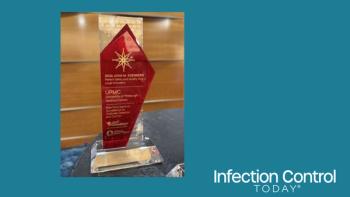
UPMC’s genomic surveillance initiative earned national recognition for patient safety. Alexander Sundermann, DrPH, CIC, FAPIC, AL-CIP, explains how the award could help infection preventionists secure leadership support and sustainable funding for earlier outbreak detection.

Knowing the protocol is only the beginning. In The Clean Bite, Sherrie Busby explores how explaining the why, addressing staff concerns, and creating clear procedures can help dental teams make infection control part of everyday practice.
Advertisement
Advertisement