Live from APIC 2026 in Nashville, the Contagious Conversations team discussed workforce diversity, AI in infection prevention, professional networking, and why APIC remains essential for infection preventionists at every career stage.

Tori Whitacre Martonicz, MA, is the lead editor of Infection Control Today. She has been a writer and editor for over 30 years and has an MA and BA in English Composition/Literature from the University of Akron in Akron, OH. She lives in Ohio with her husband, Eric; son, Drake; 2 tiny dogs, Selena Brigid Sophia and Doctor Danger Dog; and a big black cat, Freya. She loves reading, writing, gardening, and spending time with her loved ones.
Contact her through her email: tmartonicz@mjhlifesciences.com.
Live from APIC 2026 in Nashville, the Contagious Conversations team discussed workforce diversity, AI in infection prevention, professional networking, and why APIC remains essential for infection preventionists at every career stage.
Researchers at Advocate Children's Hospital used genomic sequencing, active surveillance, and targeted infection prevention interventions to investigate and control a NICU CLABSI outbreak. Findings presented at #APIC2026 showed the cluster was not caused by a single hypervirulent MSSA strain but highlighted opportunities to strengthen hand hygiene, line maintenance, and ongoing surveillance.
A poster at the APIC Annual Conference and Exposition held from June 15 to 17, 2026, in Nashville, Tennessee. After managing bloodborne pathogen exposures affecting more than 3,000 patients, Providence Health & Services developed a multidisciplinary playbook to improve preparedness, communication, and response during future large-scale events.
An APIC26 poster described a systemwide initiative at Memorial Hermann Health System that improved staff understanding, consistency, and confidence in medical device cleaning and disinfection through education, manufacturer collaboration, and hands-on demonstrations.
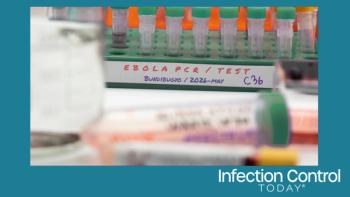
As the Ebola outbreak in the Democratic Republic of Congo and Uganda continues to grow, rapid diagnostic testing is emerging as one of the most important tools for outbreak containment. In this interview, Matt Scullion of BioFire Defense explains why the rare Bundibugyo strain presents unique challenges, how modern diagnostic networks have improved since the 2014 Ebola crisis, and why identifying cases quickly may be the most effective intervention when vaccines and treatments are unavailable.
Researchers used whole genome sequencing and traditional epidemiology to trace a cluster of Paraburkholderia fungorum bloodstream infections to contaminated nonsterile ultrasound gel, prompting national safety recommendations.
A quality improvement initiative at Ocean University Medical Center found that reinstating hands-on urinary catheter competency training was associated with a 46% reduction in CAUTIs and improved infection metrics.

COVID-19 exposed vulnerabilities in disposable PPE supply chains. TRSA CEO Joe Ricci discusses why reusable health care textiles are gaining attention for preparedness, sustainability, cost savings, and patient and worker safety.
Mental wellness remains a critical issue for health care workers. After using Brain-Body Therapy for nearly 2 weeks, I found its combination of guided movement, CBT-informed content, and stress-reduction techniques particularly relevant for infection prevention professionals navigating high-pressure environments. Read my review of this innovative app and why it may help support resilience, stress management, and overall well-being.
Environmental surfaces remain a critical but often invisible component of infection prevention. In this Q&A, experts discuss how real-time microbial visualization technology may help infection preventionists and environmental services teams identify contamination risks, validate cleaning efforts, and improve environmental surveillance beyond traditional methods.
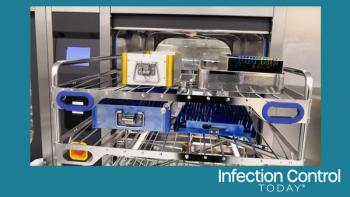
A new study from leaders at ChristianaCare is shining a spotlight on the growing need for greater autonomy, stronger leadership development, and increased recognition for sterile processing departments within healthcare systems. Researchers found that 43% of SPD professionals reported pressure to bypass sterilization protocols due to operational demands, raising concerns about safety culture, staffing, and perioperative decision-making. In this interview, Kevin M. Bush Jr, EdD, DHSc, MSHA, MA, FACHE, CPHRM, CPHQ, CPPS, CIC, CHES; and Brandon Gantt, DHSc, MHA, LSSGBH, discuss their study and why SPD must be recognized as a clinical safety partner central to infection prevention, surgical safety, and patient outcomes.

Sterile processing departments are often called the invisible backbone of surgical care, but a recent investigation involving Penn State Health and Milton S. Hershey Medical Center highlights what can happen when those systems come under pressure. Reports of contaminated instrument trays, sterilization backlogs, staffing strain, and communication breakdowns are raising broader questions about patient safety, infection prevention infrastructure, and operational priorities across health care. ***Updated with an answer from Penn State Health.
A hantavirus outbreak linked to a South American cruise ship is drawing global attention, but experts say fears of a COVID-19-style pandemic are largely unsupported. Infectious disease physician Matthew Pullen, MD, discusses Andes virus transmission, misinformation, cruise ship risks, and what health care professionals should really be watching for.
Matthew Pullen, MD, discusses lessons from COVID-19, health care worker safety, public health fatigue, outbreak preparedness, and why local planning remains essential for future infectious disease threats.
Matthew Pullen, MD, discusses why hantavirus remains a serious but geographically limited threat, explaining how low transmissibility and high mortality reduce the likelihood of a future pandemic.
Matthew Pullen, MD, explains the differences between Sin Nombre and Andes viruses, their transmission routes, and why hantavirus pulmonary syndrome remains a serious public health concern.
A rare hantavirus outbreak linked to a South American cruise ship is drawing global attention, but experts say fears of a COVID-19-style pandemic are largely unsupported. Infectious disease physician Matthew Pullen, MD, discusses Andes virus transmission, misinformation, cruise ship risks, and what health care professionals should really be watching for.
This Q&A with Emily Wheeler examines how the proposed PASTEUR Act could help stabilize the collapsing antibiotic pipeline through a subscription-based federal funding model while supporting antimicrobial stewardship and infection prevention efforts. The discussion highlights the growing threat of antimicrobial resistance, including the rapid rise of NDM-CRE, the strain resistant organisms place on health systems and infection prevention teams, and the urgent need for stronger federal support to prevent a worsening superbug crisis.
At HSPA 2026 in Baltimore, Malinda Elammari shares why education, certification, and data literacy are critical to advancing sterile processing. Learn how stronger advocacy and recognition can elevate SPD’s role in patient safety and health care outcomes.
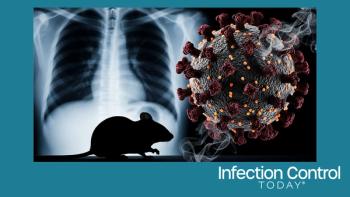
Why should infection preventionists pay attention to a rare hantavirus cruise outbreak? Because it underscores a critical reality: pathogens do not follow expected patterns. This case highlights the need for system-wide vigilance, environmental hygiene, and preparedness in high-density travel settings. For IPs, it’s a powerful reminder that effective infection prevention extends beyond health care facilities and must anticipate emerging risks before they escalate.
Sterile processing leaders Rebecca Lauber, FHSPA, and Vanessa Frank share insights from their HSPA 2026 presentation on career growth, professional identity, and active learning. Their message is clear: Empowering technicians, strengthening education, and building confidence are key to advancing patient safety and the future of sterile processing.
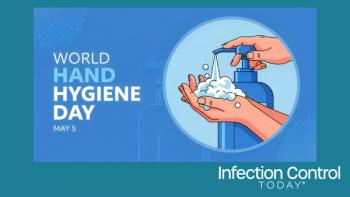
Handwashing gaps persist despite high awareness, according to Bradley’s 2026 survey. As World Hand Hygiene Day (May 5) marks 17 years, experts stress clean restrooms, access, and behavior change are key to infection prevention.
At HSPA 2026 in Baltimore, sterile processing leaders Katie Belski, BSHCA, a-IPC, CRCST, CHL, CIS, CER; and Nicole Simon, CIS, CHL, CRCST, emphasized collaboration, mentorship, and stronger relationships between SPD and other departments to improve communication, resources, and patient safety across health care systems.
A case study presented at HSPA 2026 revealed how 2 VA facilities overcame persistent bacteria, conductivity, and biofilm issues in sterile processing water systems through recirculation, system mapping, and multidisciplinary collaboration.
HSPA 2026 in Baltimore opened with record preconference attendance, expanded educational sessions, charitable community outreach, and global networking, highlighting the growing influence and momentum of sterile processing professionals across healthcare.
Scan fatigue is affecting sterile processing workflows, resulting in gaps in documentation and adherence. At HSPA 2026, Deannard Esnard, CRCST, CIS, CER, CHL, CFER, CQUIA, discusses the need to streamline tracking systems, improve staff engagement, and strengthen patient safety.
Research presented at HSPA 2026 shows multiple endoscope cleaning methods achieve similar outcomes, but pump-assisted and enhanced approaches reduce staff fatigue, injury risk, and missed steps, highlighting the importance of human factors in infection prevention.
As Arlene Bush, CRCST, CER, CIS, CHL, SME, DSMD, CRMST, concludes her HSPA presidency, she reflects on advocacy, certification efforts, and collaboration, emphasizing mentorship and continued progress in sterile processing ahead of the 2026 conference in Baltimore.


At AORN 2026, Colleen Becker, PhD, MSN, RN, CCRN-K, highlights how nursing education must evolve with technology, generational learning styles, and workforce shortages to better prepare nurses for modern health care challenges.