
New IDWeek 2025 data show who C difficile kills most: White patients, women, and people in major metros—with most deaths tied to health care exposure—underscoring how basics and smarter antibiotics remain our best levers to cut mortality.

Tori Whitacre Martonicz, MA, is the lead editor of Infection Control Today. She has been a writer and editor for over 30 years and has an MA and BA in English Composition/Literature from the University of Akron in Akron, OH. She lives in Ohio with her husband, Eric; son, Drake; 2 tiny dogs, Selena Brigid Sophia and Doctor Danger Dog; and a big black cat, Freya. She loves reading, writing, gardening, and spending time with her loved ones.
Contact her through her email: tmartonicz@mjhlifesciences.com.
New IDWeek 2025 data show who C difficile kills most: White patients, women, and people in major metros—with most deaths tied to health care exposure—underscoring how basics and smarter antibiotics remain our best levers to cut mortality.

This year’s Clean Hospitals Day (October 20, 2025) is themed Human Factors and Collaboration. Peters’ team has built free, multilingual toolkits—posters, social tiles, screensavers—“really highlighting the fact that environmental service workers are health care workers.”
Get ready for Clean Hospitals Day on October 20. Join the low-cost facility network, nominate a hygiene champion, and bring one real-world challenge to the new expert working groups. Collaboration beats contamination.

Open Vaccine Track, find your metro, and pick one move this quarter—close an access gap, copy a local success, or launch targeted outreach. Small, data-driven steps in the right ZIP codes can shift adult vaccination faster than statewide averages ever will.

COVID-19 is back on the wastewater radar, but this fall’s bump does not look like a menacing new variant, says UMN infectious-diseases physician Matthew Pullen, MD. As CDC shifts to “shared decision-making” for vaccination—a move critics warn could slow access—his guidance stays simple: stay home when sick, and get the shot you can get now.
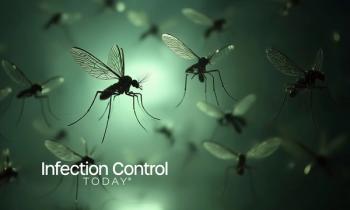
Mosquito season isn’t over—act today. Tip and toss standing water, wear EPA-registered repellent at dusk/dawn, and keep screens closed. Clinicians: add West Nile to summer/fall neuro workups, ask about Chagas risk, and report dead birds or suspected cases the same day.

Hepatitis B still ruins lives—and newborns are most at risk. Infectious diseases specialist Matthew Pullen, MD, calls early vaccination “a no-brainer,” noting perinatal transmission can lead to liver failure and cancer. He also discusses insurance issues to get treatments covered.

Let’s make measles prevention visible. One quick huddle, one clear sign, one easy clinic—each move keeps families safe and confident.
Measles is resurging as misinformation erodes herd immunity. Matthew Pullen, MD, explains how “immunologic amnesia” and antivaccine myths endanger children—and what infection preventionists must know.

Staph, TB, and rising respiratory viruses are keeping ERs busy. Here’s what infection preventionists should watch for this season—and why vigilance matters.

Ready to level up your knowledge of fungal infections and antifungal treatments? The newly launched Dr Fungus app designed by Matthew Pullen, MD, a member of ICT's Editorial Advisory Board, offers clinicians, researchers, and infection preventionists a free, practical resource, complete with case studies, medication guides, and trial updates.

Arlene Bush chats with Infection Control Today again. This time to chat about membership and one surprising learning opportunity.

This is the second of a 2-part conversation with CDC epidemiologist Danielle Rankin, PhD, MPH, CIC. In this installment, she dives into practical infection prevention strategies, surveillance challenges, and the urgent need for mechanism-specific testing as NDM-CRE surges in US health care settings.
This is the first of a 2-part conversation with CDC epidemiologist Danielle Rankin, PhD, MPH, CIC. In this installment, she unpacks her study about the urgent rise of NDM-CRE and what infection preventionists need to know now.
West Nile virus cases are 40% above average, but public concern is stagnant. IPs play a vital role in raising awareness and reinforcing mosquito-bite prevention.
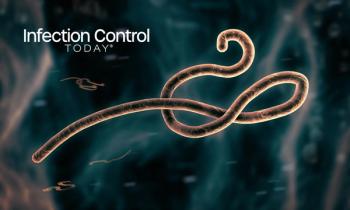
A deadly Ebola outbreak has resurfaced in the Democratic Republic of the Congo, and while US risk remains low, the CDC and the WHO are urging the public and health care workers to stay on high alert.

From patient safety to climate impact, infection preventionists are change makers. A new study highlights how IPs can champion sustainability without compromising infection control.
Sterile technique, specialized training, patient safety—Certified Surgical Technologists do it all. Learn how their role is evolving in today’s high-tech operating room.

Infection preventionists dedicate themselves to patient safety, but long hours and blurred boundaries are taking a personal toll, raising urgent questions about balance and burnout,” the study authors said in a post-interview informal discussion.

Introducing the Infection Control Today®'s (ICT®'s) Editorial Advisory Board members—a diverse group of professionals dedicated to advancing infection prevention and control practices. This series highlights each member's unique expertise and contributions to the field.

If you thought COVID-19 was scary, wait until you see what filmmakers have unleashed. From zombie daughters to infected water supplies, these new movies prove outbreaks make for edge-of-your-seat drama.

Without stable, science-driven leadership at the CDC, patient safety and public trust hang in the balance. Infection preventionists must demand accountability and champion evidence-based guidance now.

Infection prevention is not an expense, it’s an investment,” the study authors stressed, urging C-suite leaders to address burnout, recognize IP contributions, and build hospital-wide collaboration.
A joint statement from leading medical and public health groups calling for HHS Secretary Robert F. Kennedy Jr.’s resignation underscores the urgent need for infection preventionists to defend science-driven care and safeguard community health.
Experts say AI tools can forecast outbreaks and guide staffing, but limitations remain; technology cannot capture unpredictable tasks or reduce the heavy baseline workload of infection preventionists.
With Florida becoming the first state to eliminate all vaccine mandates, infection preventionists face mounting challenges in safeguarding communities against vaccine-preventable outbreaks.
Infection prevention is too often the first program cut when budgets tighten, but experts warn that underfunding leaves hospitals vulnerable. Stronger policies, bigger rewards, and robust vaccination programs are critical to protecting patients and communities.
Infection prevention isn’t one-size-fits-all. Regional disparities, from rural staffing shortages to California’s strict regulations, demand tailored strategies, stronger collaborations, and targeted funding to protect patients everywhere.
Fewer than 14% of infection prevention departments receive staffing support from other hospital units, leaving infection preventionists stretched thin. Experts warn that this lack of collaboration undermines patient safety and strains already limited resources.
This installment of the interview with study authors, survey data reveal rising hours and responsibilities for infection preventionists, with staffing shortages fueling burnout risks and threatening the safety of both patients and health care workers.