
John Rex, MD, CMO of F2G, discusses investigational olorofim’s phase 3 findings, why new antifungals are difficult to develop, and how an oral option could help patients with limited treatment choices.

Tori Whitacre Martonicz, MA, is the lead editor of Infection Control Today. She has been a writer and editor for over 30 years and has an MA and BA in English Composition/Literature from the University of Akron in Akron, OH. She lives in Ohio with her husband, Eric; son, Drake; 2 tiny dogs, Selena Brigid Sophia and Doctor Danger Dog; and a big black cat, Freya. She loves reading, writing, gardening, and spending time with her loved ones.
Contact her through her email: tmartonicz@mjhlifesciences.com.
John Rex, MD, CMO of F2G, discusses investigational olorofim’s phase 3 findings, why new antifungals are difficult to develop, and how an oral option could help patients with limited treatment choices.
An analysis of 147 million US hospital admissions identified 875 adults with brucellosis diagnoses, highlighting demographic and regional differences while emphasizing exposure histories and uncertainty about underdiagnosis.
An ICU study found that alcohol-based hand rub applied after patient care reduced glove bioburden, while staff raised feasibility concerns. Researchers stress that the practice does not replace glove changes or hand hygiene.
A study of 4,851 nursing home residents linked shared rooms to higher odds of matching MDRO carriage, while universal decolonization was associated with lower concordant carriage across MRSA, ESBL, and VRE.
A retrospective hospital study found no significant differences in mortality or readmissions between infectious disease e-consults and in-person consultations, despite more diagnoses of bacteremia among e-consult patients. Researchers recommend further evaluation across settings.
Presented at IDWeek 2026, a living review of 64 studies found the strongest evidence for dengue prevention from mosquito modification, while highlighting substantial uncertainty and research gaps in other approaches to Aedes vector control.
A 2026 IDWeek poster details how respiratory cultures and whole genome sequencing clarified a NICU MRSA outbreak, with targeted prevention measures followed by at least 6 months without additional bacteremias or related respiratory clusters.
Researchers recovered a carbapenemase-producing organism from the shaft of a hospital drain auger, prompting calls for standardized reprocessing protocols and further investigation into maintenance equipment as a potential source of environmental dissemination.
A poster presented at IDWeek was a systematic review of 35 studies that found rare transmission of viral hemorrhagic fever to health care personnel in high-income countries and highlighted the need for standardized exposure definitions to guide response.
Kimberley Brown, PharmD, Head of U.S. Medical Affairs at ViiV Healthcare discusses the evolution of HIV care and how innovative long-acting injectables are expanding options across HIV treatment and prevention.
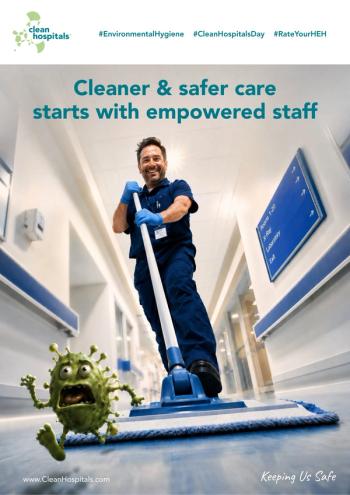
Clean Hospitals President Alexandra Peters, PhD, explains how training, meaningful support, and stronger collaboration with infection prevention teams can empower environmental services staff and strengthen patient safety.
For International Infection Prevention Week, Infection Control Today explores how prevention connects hospital departments with everyday community life and why infection preventionists (IPs), sterile processing department (SPD), professionals, and environmental services (EVS) teams deserve lasting support.

During Sterile Processing Week, Infection Control Today honors the professionals behind safe instrument reprocessing and calls for year-round investment in education, staffing, resources, and meaningful collaboration across health care teams.
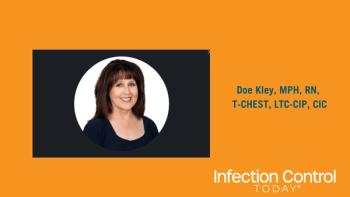
Doe Kley, MPH, RN, T-CHEST, LTC-CIP, CIC, discusses how environmental hygiene supports efforts to contain antimicrobial resistance, examining disinfectant efficacy, dilution failures, shared equipment, and the partnership between infection prevention and environmental services teams.

Understanding current water quality is a starting point for ST108 implementation. John Kimsey, vice president of processing optimization and customer success for STERIS, spoke about his HSPA presentation on assessing readiness, distinguishing system qualification from routine testing, and understanding where water samples should be collected.

Behind every landmark in infection prevention, from antimicrobial stewardship guidelines to the COVID-19 town halls that reached flight attendants and teachers, is a generation of physician-scientists who led SHEA through crises, organizational change, and scientific breakthroughs. Infection Control Today traces 30 years of SHEA presidents and the lasting mark they left on the field.

Missing instruments and processing delays can strain OR–SPD relationships. At AORN 2026, John Kimsey, vice president of processing optimization and customer success for STERIS, discusses understanding root causes, exploring off-site reprocessing for ambulatory surgical centers, and using hands-on simulation to help surgical teams see sterile processing from a different perspective.
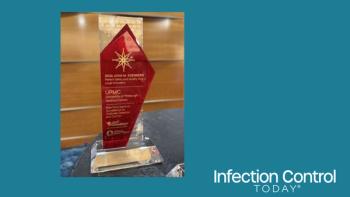
UPMC’s genomic surveillance initiative earned national recognition for patient safety. Alexander Sundermann, DrPH, CIC, FAPIC, AL-CIP, explains how the award could help infection preventionists secure leadership support and sustainable funding for earlier outbreak detection.
A proposed $27.7 million reduction in AHRQ funding raises questions about support for infection prevention research and implementation. Here is what the September 25 announcement identifies, as well as what remains unknown about specific IPC programs.

Two posters presented by Karen Jones, MPH, RN, CIC, FAPIC, at the APIC Annual Conference and Exposition examine surveillance responsibilities and staffing in small hospitals, as well as IPs’ reported experiences after implementing electronic surveillance. Findings highlight opportunities for more investigation, rounding, and communication.
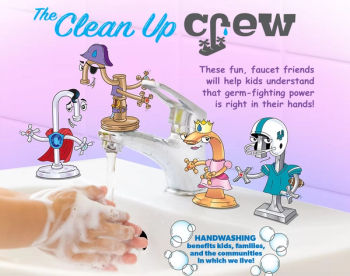
Artist and designer Matthew Caliman shares how personal loss inspired the Cleanup Crew, a handwashing education project using cartoon faucets, songs, and games to help families revisit an essential health message.

What happens when one disinfectant cannot satisfy every IFU? At AHE in New Orleans, Diane Cullen discusses weighted risk assessment, documenting difficult decisions, and why infection prevention and EVS need to work together.
Sterile processing professionals face constant interruptions, cognitive overload, increasingly complex devices, and hundreds of IFUs. Randalyn Harreld, CRCST, FHSPA, explains why health care organizations must address the human factors behind SPD performance rather than expecting frontline professionals to simply absorb ever-increasing complexity.

Long-acting HIV therapies promise greater convenience, but fewer doses alone may not solve adherence or access challenges. Lloyd Bibby and Pooja Goyal, MS(Pharm), discuss patient choice, weekly oral and injectable therapies, health system capacity, equitable access, and the real-world measures that will define success.

Shante Walton, MS, CIC, FAPIC, AL-CIP, discusses UCLA’s approach to infection prevention education, connecting classroom knowledge with practical experience and developing pathways that help new IPs enter the profession and experienced practitioners prepare to lead.
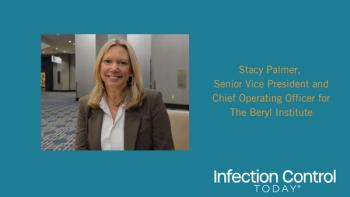
At AHE 2026 in New Orleans, The Beryl Institute's Stacy Palmer discussed 8 guiding principles for experience excellence and why EVS professionals influence far more than environmental cleanliness. Their interactions, workplace culture, and connection with patients help shape the overall human experience of health care.

During National EVS Week, appreciation matters, but partnership matters more. Environmental services professionals bring infection prevention expertise and a unique understanding of the health care environment that can help identify barriers, improve cleaning and disinfection practices, and ultimately protect patients.

A 10-year NIH-funded study used Bayesian statistical modeling to examine the relationship between continuously active EOScu surfaces and HAI reduction. EOS Surfaces representatives discuss the findings, passive infection prevention, environmental recontamination, and why IPs should continue asking tough questions.

Artificial intelligence can help IPs analyze surveillance data, identify patterns, improve training, and reduce repetitive work. Bassel Molaeb explains why AI literacy is becoming an important IPC competency while human validation, clinical context, and professional judgment remain essential.

"You can't underinvest in public health and then expect it to have a fast and swift response." Brian C. Castrucci, DrPH, discusses Cyclospora, surveillance, workforce capacity, misinformation, and rebuilding public trust. Read the Q&A and watch the full ICT interview.

Published: September 17th 2026 | Updated: October 16th 2026

Published: August 24th 2026 | Updated: September 9th 2026
Published: May 13th 2026 | Updated: May 15th 2026
Published: May 13th 2026 | Updated: May 15th 2026
Published: May 13th 2026 | Updated: May 15th 2026
Published: May 13th 2026 | Updated: May 15th 2026