|Articles|July 18, 2011

Hospitals Boost Sustainability Efforts, Reduce Environmental Impact

The healthcare industry is rife with opportunities to reduce the environmental impact it creates, with the added benefits of institutional financial gain, improved patient outcomes, better staff health and reduced turnover, and community benefit, according to a report from Practice Greenhealth and from the Institute for Innovation in Large Organizations. An increasing number of healthcare institutions are endeavoring to reuse, recycle and repurpose medical supplies and devices to promote better sustainability.


Related to this article

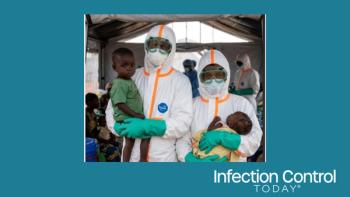
Infection preventionists in full PPE with children in DRC.  (Image credit: author with AI)
Nearly 4 months into the DRC's Bundibugyo virus disease outbreak, some indicators suggest transmission may be slowing. But shifting hotspots, treatment-center capacity problems, community deaths, and incomplete surveillance data show why national case totals alone cannot determine whether containment has been achieved.
Dyan Troxell, MSN, RN, director of clinical education at HandCraft Linen Services; J.J. Odom, MBA, CHESP, CMIP, T-CHEST, university director of buildings and grounds for UConn Health and chair-elect of the AHE Board; and Jenna Rivers, MPH, CPH, CIC, manager of infection prevention and control at Moffitt Cancer Center in Tampa, Florida.
At AHE Exchange 2026, ICT spoke with experts representing commercial laundry services, EVS, and infection prevention about the systems behind a successful reusable linen program. They discuss linen quality, reject rates, unnecessary waste, frontline education, data, PAR levels, infection prevention oversight, and why strong relationships between health care facilities and their laundry providers matter.