News

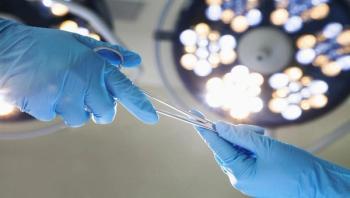
Every year, the Association of periOperative Registered Nurses (AORN) releases the latest version of its Guidelines for Perioperative Practice to its 41,000 members. Each edition of the book features updated instruction on practices that help perioperative nurses and, in turn, infection preventionists, ensure patient health and safety. For example, the 2017 publication contains detailed new insight into hand hygiene in the surgi-cal suite. The information discusses how fingernails, and even polish, can harbor germs, and offers best practices for preventing contamination that could hurt the patient. Through the teaching efforts of AORN members, and the acceptance of the U.S. Agency for Healthcare Research and Quality National Guideline Clearinghouse, these directions will reach more than 2,500 hospitals and more than 160,000 RNs.
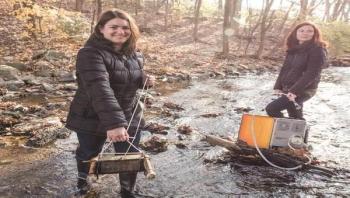
The life of a watershed is complex. The watershed is the area of land separating the smaller water flows that feed into a larger, common outlet--like a river, lake or ocean. As such, it is often home to a variety of wildlife, as well as subject to agricultural and recreational uses. From this complicated ecosystem, bacteria, viruses and parasites emerge--sometimes making their way into the water supply. One reason that drinking water and public swimming pools are treated with chlorine is to kill such disease-causing organisms. Chlorine successfully eliminates a number of harmful pathogens--but not all of them.

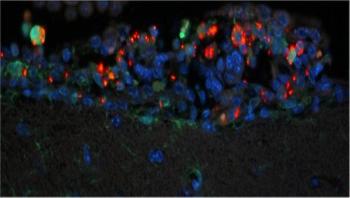
National Institutes of Health (NIH) scientists have established in mice a way to study potentially life-threatening meningitis caused by Salmonella. Bacterial meningitis happens when bacteria infect the central nervous system (CNS), causing a serious disease that can be life-threatening and difficult to diagnose and treat. Patients who survive often have permanent brain damag

A Michigan State University research team is the first to show how a common bacterium found in improperly cooked chicken causes Guillain-Barre Syndrome (GBS). The federally funded research, now published in the Journal of Autoimmunity, not only demonstrates how this food-borne bacterium, known as Campylobacter jejuni, triggers GBS, but offers new information for a cure. If chicken isn't cooked to the proper minimum internal temperature, bacteria can still exist.

New genetic research from an international team including McMaster University, University of Helsinki, Vilnius University and the University of Sydney, suggests that smallpox, a pathogen that caused millions of deaths worldwide, may not be an ancient disease but a much more modern killer that went on to become the first human disease eradicated by vaccination.

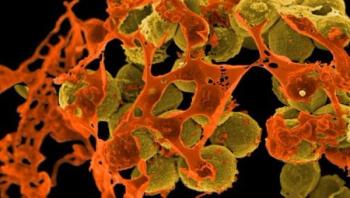
Gautam Dantas remembers the day in 10th grade when he first wanted to be a scientist. It was the day he had a new biology teacher, a visiting researcher from the U.S. The teacher passionately described his own biochemical studies of how organisms live together in communities. By the end of the class, Dantas had resolved to earn a PhD in biochemistry. He ended up doing much more-gaining expertise in computational biology, protein design and synthetic biology. He now combines his skills and knowledge in multifaceted research that spans four departments at the Washington University in St. Louis. His goal: to better understand and help combat a vital public health threat-drug-resistant bacteria.

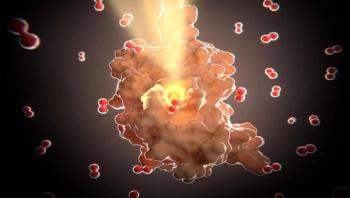
Bacterial resistance does not come just through adaptation to antibiotics, sometimes the bacteria simply go to sleep. An international team of researchers is looking at compounds that attack bacteria's ability to go dormant and have found the first oxygen-sensitive toxin antitoxin system.

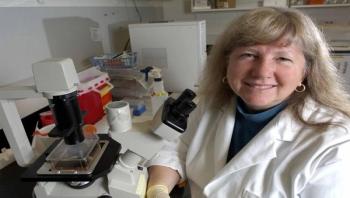
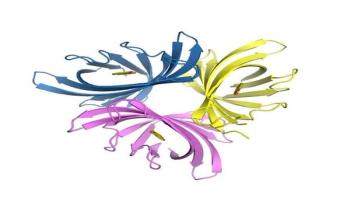
Many infectious pathogens are difficult to treat because they develop into biofilms, layers of metabolically active but slowly growing bacteria embedded in a protective layer of slime, which are inherently more resistant to antibiotics. Now, a group of researchers at Caltech and the University of Oxford have made progress in the fight against biofilms. Led by Dianne Newman, the Gordon M. Binder/Amgen Professor of Biology and Geobiology, the group identified a protein that degrades and inhibits biofilms of Pseudomonas aeruginosa, the primary pathogen in cystic fibrosis (CF) infections.

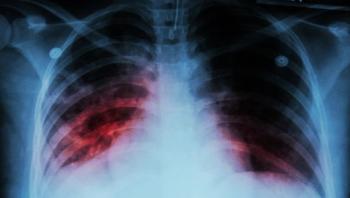
Every 18 seconds someone dies from tuberculosis (TB). It is the world's most deadly infectious disease. Mycobacterium tuberculosis, the causative agent of TB, has infected more than one-third of the entire human population with an annual death toll of approximately 1.5 million people. For the first time, an international team of scientists from Monash University and Harvard University have seen how, at a molecular level, the human immune system recognizes TB infected cells and initiates an immune response. Their findings, published in Nature Communications, are the first step toward developing new diagnostic tools and novel immunotherapies.