
News
Advertisement
Advertisement
On June 6, 2015, the National IHR Focal Point of the Republic of Korea notified the World Health Organization (WHO) of nine additional confirmed cases of Middle East Respiratory Syndrome Coronavirus (MERS-CoV) infection.
Q: On occasion, I will be asked to process a device which does not have instructions for use. Sometimes, the item is not a medical device (e.g., zipper). I am told I must process the device because the surgeon requires it for a case. I usually process the device. I have just learned this is not the correct practice. How do I handle this?

An upset in the body's natural balance of gut bacteria that may lead to life-threatening bloodstream infections can be reversed by enhancing a specific immune defense response, UT Southwestern Medical Center researchers have found. In the study, published online in Nature Medicine, scientists identified how a certain transcription factor -- a protein that that turns genes on and off -- works in partnership with a naturally occurring antibiotic to kill infection-causing fungi called Candida albicans.
Advertisement
Advertisement

A new way of rapidly identifying bacteria, which requires a slight modification to a simple microscope, may change the way doctors approach treatment for patients who develop potentially deadly infections and may also help the food industry screen against contamination with harmful pathogens, according to researchers at the Korea Advanced Institute of Science and Technology (KAIST) in Daejeon, South Korea.
Between June 1 and June 4, 2015, the National IHR Focal Point for the Kingdom of Saudi Arabia notified the World Health Organization (WHO) of five additional cases of Middle East respiratory syndrome coronavirus (MERS-CoV) infection, including one death.
On June 5, 2015, the National IHR Focal Point of the Republic of Korea notified the World Health Organization (WHO) of five additional confirmed cases of Middle East Respiratory Syndrome Coronavirus (MERS-CoV) infection, including one death.

Dr. Philip Ireland, a native Liberian, credits his survival from Ebola virus disease on the care he received from his mother, the prayers of a compassionate nurse, and the unity of a country motivated to drive Ebola from its borders. Today, he is a strong advocate for infection prevention and control measures and is training and teaching Liberia’s next generation of doctors and specialists.
Hospital-acquired pressure ulcers are a costly, adverse event. The National Pressure Ulcer Advisory Panel estimates that U.S. healthcare systems spend $11 billion treating each year treating pressure ulcers; the cost to treat each pressure ulcer and related complications can range from $500 to $70,000. Outside of the financial cost, pressure ulcers can have a devastating effect on patients-from the risk of developing cellulitis or infection of joints and blood, to increased length of stay and higher risk of death from associated complications.
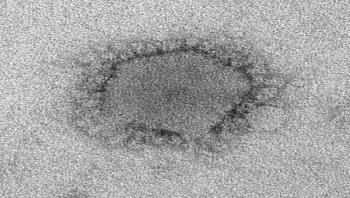
Between May 26 and May 30, 2015, the National IHR Focal Point for the Kingdom of Saudi Arabia notified the World Health Organization (WHO) of nine additional cases of Middle East respiratory syndrome coronavirus (MERS-CoV) infection, including four deaths.
Between June 1 and 3, 2015, the National IHR Focal Point of the Republic of Korea notified the World Health Organization (WHO) of 15 additional confirmed cases of Middle East Respiratory Syndrome Coronavirus (MERS-CoV), including one death.


In a scientific discovery that has significant implications for preventing HIV infections, researchers at Sanford-Burnham Medical Research Institute (Sanford-Burnham) have identified a protein that could improve the body’s immune response to HIV vaccines and prevent transmission of the virus. The study shows how a protein called polyglutamine-binding protein 1 (PQBP1) acts as a front-line sensor and is critical to initiating an immune response to HIV. When the PQBP1 encounters the virus, it starts a program that triggers an overall protective environment against infection and enhances the production of virus-specific antibodies. The research, which identified PQBP1 as a target for improving HIV vaccines, was published June 4 online ahead of print in the journal Cell.

Advertisement
Advertisement
Trending on Infection Control Today
1
Hantavirus Concerns and Cruise Ship Hygiene: What Infection Preventionists Need to Know
2
Education, Advocacy, and Recognition: Malinda Elammari on the Future of Sterile Processing
3
IP LifeLine: Connecting With Specialized Recruiters and Navigating the Hiring Process
4