
News
Advertisement

Advertisement
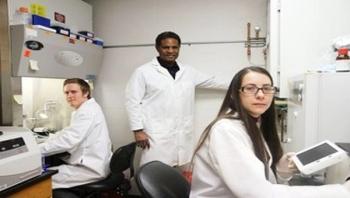
Virginia Tech biochemists are trying to deliver a stern wake-up call to the parasite that causes sleeping sickness. Scientists identified a protein, called proliferating cell nuclear antigen or PCNA, that is vital to the sleeping sickness parasite’s good health. Disrupting this protein with drugs could potentially make it impossible for the parasite to reproduce and survive, reducing the health dangers to its human hosts.

Competition among doctors’ offices, urgent care centers and retail medical clinics in wealthy areas of the U.S. often leads to an increase in the number of antibiotic prescriptions written per person, a team led by Johns Hopkins researchers has found.
Advertisement
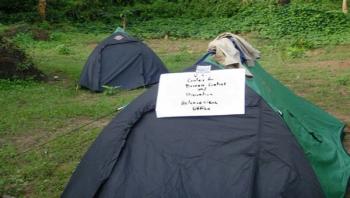
The Rapid Isolation and Treatment of Ebola (RITE) strategy is helping to end the Ebola epidemic in Liberia, according to new data reported in this week's Morbidity and Mortality Weekly Report (MMWR). The strategy-a rapid, coordinated response to Ebola cases in remote areas-is now being used in Sierra Leone and Guinea.
Advertisement


The World Health Organization (WHO) urges affected countries to scale up their investment in tackling 17 neglected tropical diseases in order to improve the health and wellbeing of more than 1.5 billion people. This investment would represent as little as 0.1 percent of current domestic expenditure on health in affected low- and middle-income countries for the period 2015-2030.
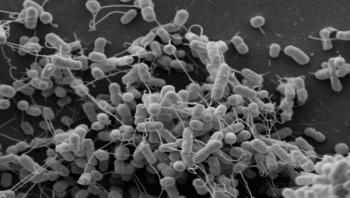
Bacteria usually live in species-rich communities and frequently exchange nutrients and other metabolites. Until now, it was unclear whether microorganisms exchange metabolites exclusively by releasing them into the surrounding environment or whether they also use direct connections between cells for this purpose. Scientists from the Research Group Experimental Ecology and Evolution at the Max Planck Institute for Chemical Ecology in Jena, Germany addressed this question using the soil bacterium Acinetobacter baylyi and the gut microbe Escherichia coli. By experimentally deleting bacterial genes from the genome of both species, the scientists generated mutants that were no longer able to produce certain amino acids, yet produced increased amounts of others.
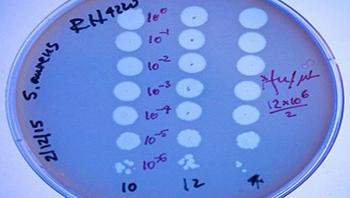
Bacteria may not have brains, but they do have memories, at least when it comes to viruses that attack them. Many bacteria have a molecular immune system which allows these microbes to capture and retain pieces of viral DNA that they have encountered in the past, in order to recognize and destroy it when it shows up again.
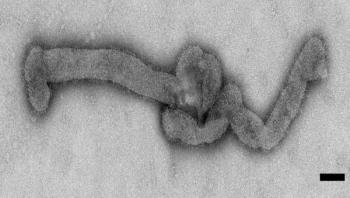
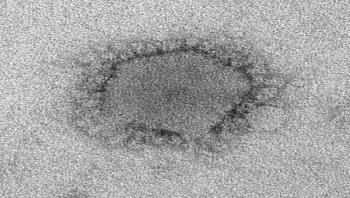
The Centers for Disease Control and Prevention (CDC) is today reporting on the discovery of a new virus that may have contributed to the death of a previously healthy man in eastern Kansas in late spring 2014. A CDC study published today details the progression of the man’s illness and actions taken by CDC, the Kansas Department of Health and Environment (KDHE), and University of Kansas Medical Center (UKMC) to treat and investigate the case. The virus, named Bourbon virus for the county where the patient lived, is part of a group of viruses called thogotoviruses. This is the first time a virus in this group has been shown to cause human illness in the United States and only the eighth known case of thogotoviruses causing symptoms in people.
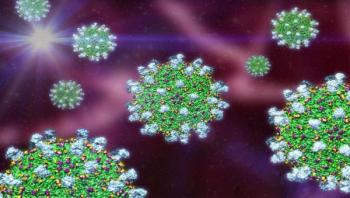
A new Duke-NUS-led study has identified a super-potent antibody which requires a minute amount to neutralize the dengue virus. The study, published online on Feb. 20 in the journal Nature Communications, showed how a newly identified antibody 5J7, is highly effective in killing dengue virus whereby only 10-9 g of antibody is needed to stop the infection of dengue serotype 3 virus (DENV-3). This new finding gives hope for the development of effective dengue treatments.

Monika Ehling-Schulz's group from the Institute of Microbiology, together with Mathias Müller's group at the Institute of Animal Breeding and Genetics studied the influence of host organisms on bacterial metabolism. The researchers infected three different lineages of mice with the bacteria Listeria monocytogenes. The mouse strains showed significant differences in their response to the infection and in the severity of the clinical symptoms.

In a new study published in Alimentary Pharmacology & Therapeutics, researchers at the University of Alberta's faculty of medicine and dentistry have shown that a betaretrovirus which resembles a mouse mammary tumor virus infects patients with the rare liver disease, primary biliary cirrhosis (PBC).
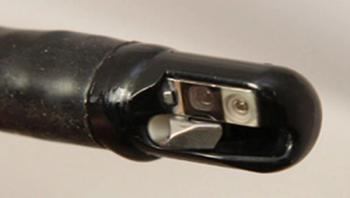
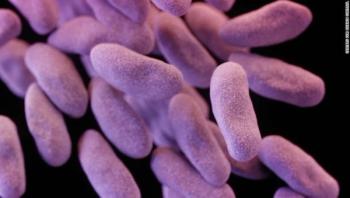
The FDA wants to raise awareness among healthcare professionals, including those working in reprocessing units in healthcare facilities, that the complex design of endoscopic retrograde cholangiopancreatography (ERCP) endoscopes (also called duodenoscopes) may impede effective reprocessing. Reprocessing is a detailed, multistep process to clean and disinfect or sterilize reusable devices. Recent medical publications and adverse event reports link multidrug-resistant bacterial infections in patients who have undergone ERCP with reprocessed duodenoscopes, even when manufacturer reprocessing instructions are followed correctly. Meticulously cleaning duodenoscopes prior to high-level disinfection should reduce the risk of transmitting infection, but may not entirely eliminate it.
Advertisement
Advertisement
Trending on Infection Control Today
1
Hantavirus Concerns and Cruise Ship Hygiene: What Infection Preventionists Need to Know
2
Education, Advocacy, and Recognition: Malinda Elammari on the Future of Sterile Processing
3
IP LifeLine: Connecting With Specialized Recruiters and Navigating the Hiring Process
4