Experts at the National Foundation for Infectious Diseases (NFID) Influenza/Pneumococcal news conference last week encouraged preventive measures be taken during the upcoming flu season to help reduce the spread of illness and infection.
Experts at the National Foundation for Infectious Diseases (NFID) Influenza/Pneumococcal news conference last week encouraged preventive measures be taken during the upcoming flu season to help reduce the spread of illness and infection.
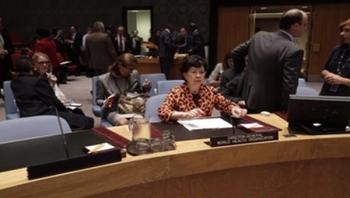
On Sept. 18, 2014, Dr. Margaret Chan, director-general of the World Health Organization, addressed the UN Security Council in New York, regarding the Ebola outbreak.