
News
Advertisement
Advertisement
Advertisement

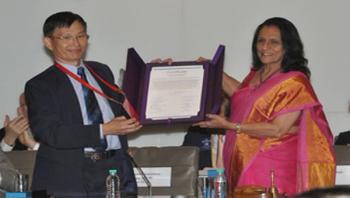
The World Health Organization (WHO)'s Southeast Asia Region, home to one-quarter of the world’s population, was certified polio-free today by an independent commission under the WHO certification process. This is the fourth of six WHO Regions to be certified, marking an important step toward global polio eradication. With this step, 80 percent of the world’s population now lives in certified polio-free regions.
Advertisement
Advertisement
Trending on Infection Control Today
1
Hantavirus Concerns and Cruise Ship Hygiene: What Infection Preventionists Need to Know
2
Education, Advocacy, and Recognition: Malinda Elammari on the Future of Sterile Processing
3
IP LifeLine: Connecting With Specialized Recruiters and Navigating the Hiring Process
4