

Despite good news in the U.S., victory over a worldwide pandemic can’t exclude half of the world.
Despite good news in the U.S., victory over a worldwide pandemic can’t exclude half of the world.
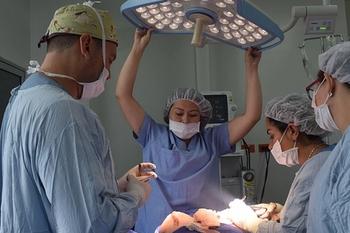
Linda Spaulding RN, BC, CIC: “It only takes you saying something a couple times that the OR knows is absolutely absurd and incorrect, and it’s going to ruin the relationship for a long time. Infection preventionists really need to take the responsibility of learning.”
"We have all longed for this moment when we can get back to some sense of normalcy," CDC Director Rochelle Walensky, MD, MPH, said.
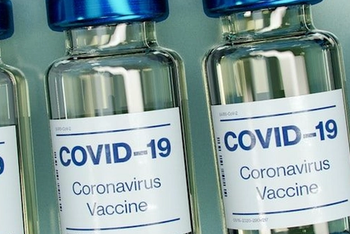
A growing avalanche of real-world evidence attests to the effectiveness of the COVID-19 vaccinations. The more people of every age group who can be vaccinated the better, says the CDC.
Infectious disease transmission isn’t as simple as a singular label that doesn’t describe the nuance or situations that increase or decrease risk.
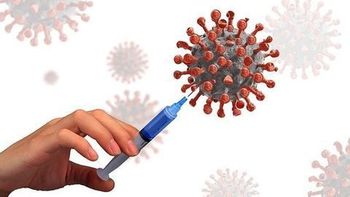
The World Health Organization calls the B.1.617 a COVID-19 variant of global concern. The Centers for Disease Control and Prevention says that it’s not that much of a concern in the United States for now.
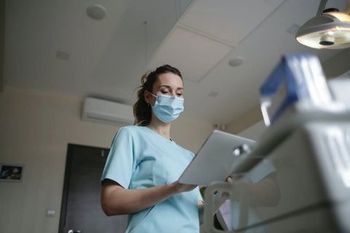
Sara M. Reese, PhD, MPH, CIC, and Sarah Smathers, MPH, CIC, were 2 of the coauthors of a recent study that talks about how hospitals and other health care systems can bolster IP ranks.

Americans seem to be welcoming the post-COVID-19 world with open (and vaccinated) arms these days.
There are not enough infection preventionists to go around now, and trends suggest that there may even be fewer in the future. But there are ways to shore up the ranks, a study says.
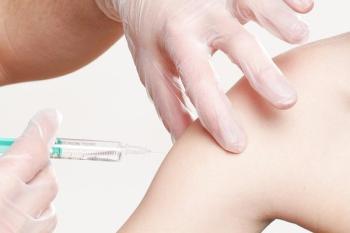
Though children and adolescents are generally subjected to milder forms of COVID-19 compared to adults, the EUA expansion marks a new threshold for immunization rate opportunity and likelihood of pandemic mitigation.

An actively engaged hospital management team can make the difference between success or failure when it comes to managing health care-acquired infections, a study states.
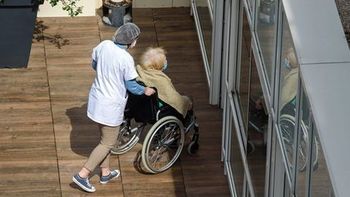
Nursing homes, already strapped for employees, lost about 19,500 workers last month, according to government figures. Question: What’s happened to all the funding nursing homes have gotten because of COVID-19?
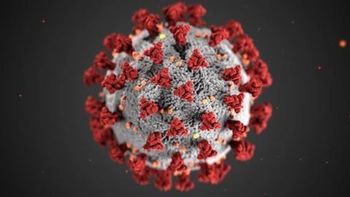
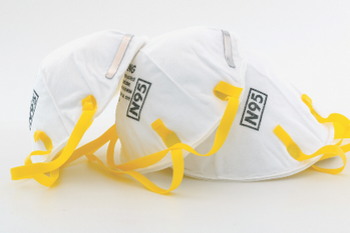
Infection preventionists need to stress the importance of aerosolization with increased recommendations for N-95 masks and we all need to realize that a prerequisite of reopening a business, school or public venue should be safe ventilation.
U.S. Trade Representative Katherine Tai: “The administration believes strongly in intellectual property protections, but in service of ending this pandemic, supports the waiver of those protections for COVID-19 vaccines.”
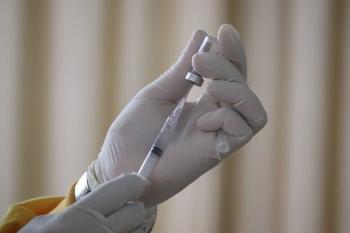
Some health care workers who are hesitant to get the COVID-19 vaccine are waiting to see what the vaccine does to their colleagues who have gotten it first, a study suggests.

Kevin Kavanagh, MD: “India has the double mutation [COVID-19] variant. That’s the variant that has two escape mutations. And that is a variant we do not need to get into the United States and have it spread. Infection preventionists need to be out there beating the drum. First in their facility: They need to get everybody vaccinated.”
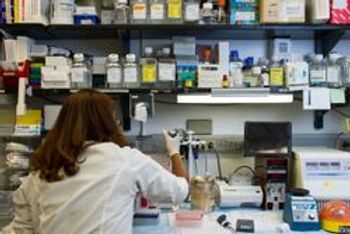
Ultraviolet-C light makes benzalkonium chloride, which is found in many disinfectants, safer to use.
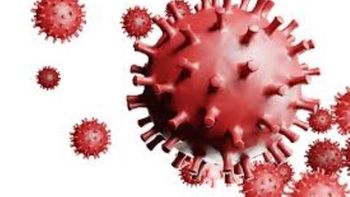
What happens in India, or anywhere else in the world, doesn't stay there. The longer COVID-19 hangs around, the more chance it has of mutating into a variant that the vaccines won't stop.
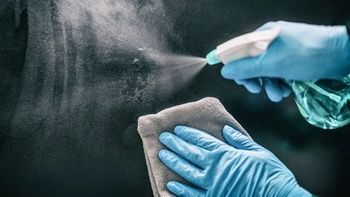
Between the trifecta of departments responsible for infection prevention—EVS, nursing and infection prevention—it’s every individual’s responsibility to ensure surface cleaning and disinfecting are done quickly and effectively.

During this time, as hospital case counts drop, IPs are expected to just switch back to normal while still ensuring a readiness to respond to COVID-19.
The truth is that variants will occur where the virus spreads and until SARS-CoV-2 is controlled everywhere, it won’t be controlled anywhere. What is occurring in India is a prime example of this.

COVID-19 helped to speed up adoption of telehealth. When it comes to telehealth platforms, though, there is no such thing as a one-size-fits-all approach.
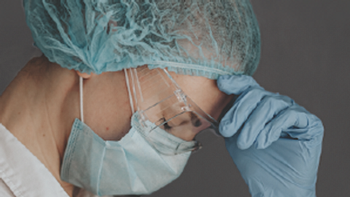
Nurses need a seat at the table when discussing PPE stockpiling and purchasing practices to share their lived experiences and help the team discover where practice deviated from plans. Infection preventionists should support the nurses in these discussions as allies.
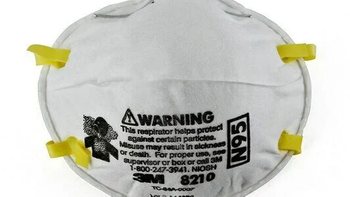
IPs and other health care professionals needed to improvise. That improvisation led to investigations into how many times an N95 can be reused and still keep SARS- CoV-2 at bay.
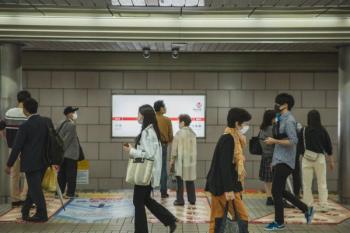
MIT professors argue that many variables should be included when determining just how much social distancing is needed in different indoor settings.

Hospital employees performed hand hygiene under the gaze of infection preventionists, and the study data were gathered during the COVID-19 pandemic.
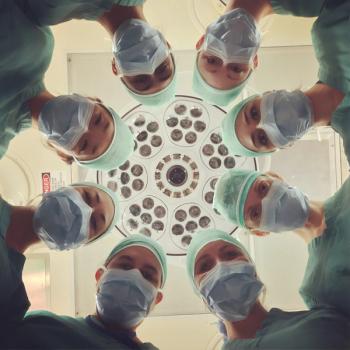
If you work in a health care facility, you need to be vaccinated against SARS-CoV-2. If you choose not to become vaccinated, then you should choose not to be working in a health care setting.

Though spring is in the air and we’re all anxious to get our old lives back, we’re not quite out of the COVID-19 woods yet.
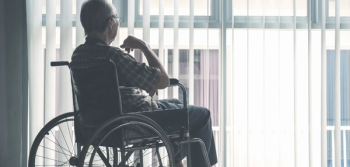
Investigators University of Michigan-Flint, School of Nursing noted that the Cooper Tool and the Stone criteria are similar but use different methods to arrive at a UTI diagnosis.
The inspection was initiated after reports had come to the surface that workers at the plant had accidently contaminated J&J doses with the virus from the AstraZeneca vaccine, which is also manufactured there.