

It will also be necessary to again train other professionals the way IPs have historically trained them about infection prevention, because a lot of the old rules had to be set aside when COVID-19 surged.
It will also be necessary to again train other professionals the way IPs have historically trained them about infection prevention, because a lot of the old rules had to be set aside when COVID-19 surged.
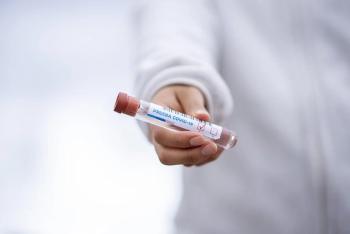
The U.S. government will pay Pfizer and BioNTech $1.95 billion upon the receipt of the first 100 million doses, following US Food and Drug Administration (FDA) authorization or approval. The U.S. government also can acquire up to an additional 500 million doses.
Julie McKinney, PhD: “If you’re going to disinfect, you’re going to let it sit for three minutes and then you’re going to wipe it. If you’re going to sanitize, you only have to leave it for 30 seconds and then wipe.”
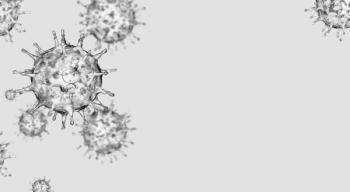
Professional development educators and infection control specialists need to design educational programs that create a lasting behavior change when it comes to hand hygiene.
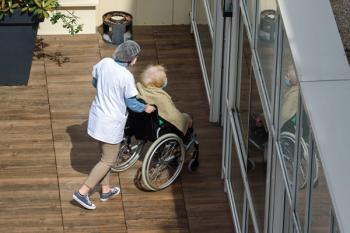
Infection control at LTCFs needs to be a balanced approach that addresses the risk of infection, and not just the treatment of infection. Money is saved when this approach is used.

The Trump administration has decided that the COVID-19 data will no longer be reported to the US Centers for Disease Control and Prevention (CDC) through that agency’s National Healthcare Safety Network (NHSN).
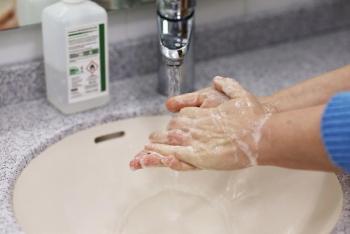
To enact social change such as better hand hygiene, only about 25% of a group needs to adopt the change and move the rest of the group forward.
The filtering face piece respirators will be manufactured at General Motor’s facility in Warren, Mich. The company had to revamp its manufacturing process to accommodate making the respirators, creating four separate assemble stations.
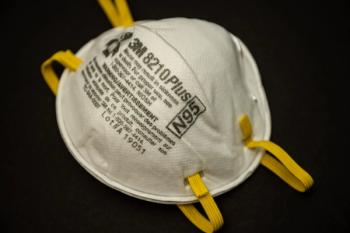
Harry Peled, MD: “I think for administrators and infection control people, the attitude has to be there is enough evidence that the wearing of N95s should be official. The claim that we’re going to wait for perfect evidence is just not tenable. We don’t do that for anything else in medicine.”
Biopharmaceutical New Technologies (BioNTech) for the investigational vaccines BNT162b1 and BNT162b1. The vaccines are the result of a joint research venture between Pfizer and Biopharmaceutical New Technologies (BioNTech).
Up until now, the workers had to prove convincingly that they became infected on the job. But 16 states are now considering putting the onus on the hospital: Make it prove that the worker didn’t get the disease on the job.

Brent James, MD: “Those practices and those hospitals have no choice. A number of them face going out of business, even with the loans the government's giving today.”
There is a desperate need to infuse SNFs with more resources, not only in terms of personal protective equipment, but also the critical infection prevention resources and staffing.
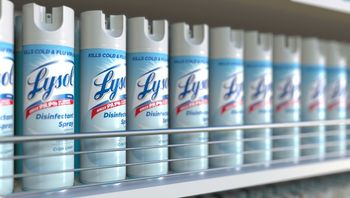
The Environmental Protection Agency (EPA) has approved Lysol Disinfectant Spray to combat SARS-CoV-2, the virus that causes coronavirus disease 2019 (COVID-19).

Sharon Ward-Fore, MS, MT(ASCP), CIC, says that non-healthcare companies need a lot of help following infection prevention and control guidelines. They may call on infection preventionists for that help.
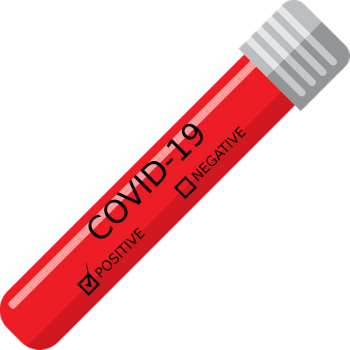
Kevin Kavanagh, MD, the founder of the patient advocaty group Health Watch USAsm, has been sounding the alarm about coronavirus disease 2019 (COVID-19) from the beginning. He tells Infection Control Today® that it might be time for pool or community testing.

Infection preventionists and their skills will be in high demand in coming years in non-healthcare settings.
Connie Steed, MSN, RN, CIC, FAPIC: “Our goal at APIC, which is the goal of all IPs, is to have healthcare without infection. That’s an arduous task, but that is our vision and goal. And the infection preventionists’ role will help drive that vision.”
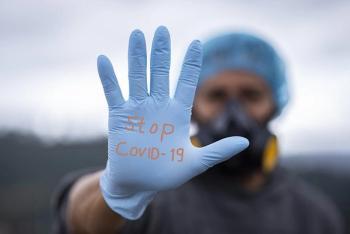
It’s when infection preventionists leave the hospital or go to get a coffee in the cafeteria, that behaviors can become lax. We opt to take breaks from masking, exhausted from it all.
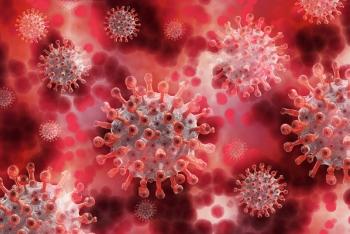
The FDA issues guidance on just how pharmaceutical companies should go about the manufacture of a COVID-19 vaccine.
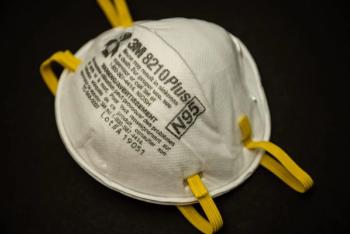
Investigators argue in the Annals of Internal Medicine that all healthcare workers in inpatient settings caring for COVID-19 patients should be equipped with N95s.
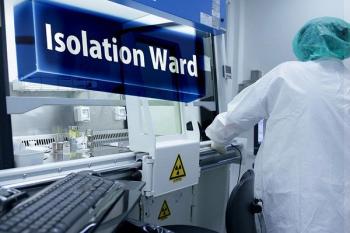
Fibi Attia, MD, the infection prevention coordinator at Penn State Milton S. Hersey Medical Center, says that the main challenge for infection preventionists in the COVID-19 pandemic is not knowing who might be carrying the disease.
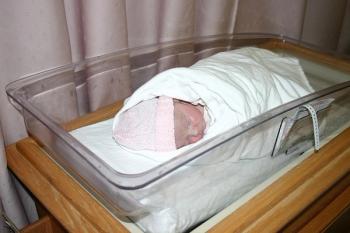
Sometimes the surfaces that are deemed easiest to keep clean in a hospital pediatric ward wind up being the most contaminated after cleaning. Preconceived notions may play a part.

Stephanie Taylor, MD: “In general, airflow has been managed by the engineers, by the architects, by the facility managers, and not so much by the clinicians. There is a lot you can do in indoor air management to decrease transmission of infections.”

While the rest of the hospital bustles with energy as healthcare workers fight COVID-19, emergency departments have been oddly quiet because of the drop in elective surgeries.
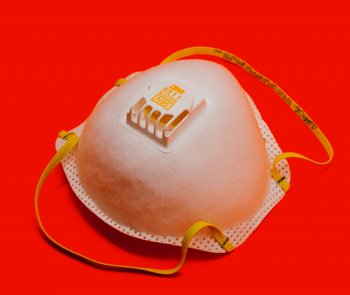
Healthcare workers are particularly susceptible to maskne because they tend to wear their masks for extended periods.
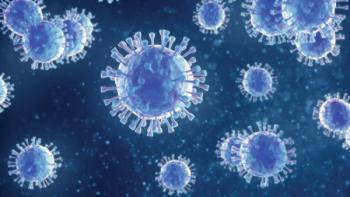
Bug of the Month helps educate readers about existing and emerging pathogens of clinical importance in healthcare facilities today.
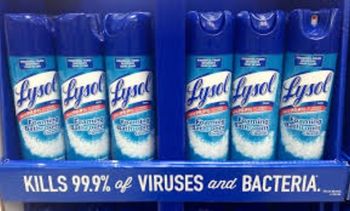
Viruses like SARS-CoV-2 are some of the most vulnerable pathogens to the microbicidal agents in many detergents and cleaning solutions, including soaps for personal care and liquid hand washes.

Charles Gerba, PhD: Environmental services plays a crucial-and often unsung-role in infection prevention. “Unfortunately, we don’t honor people enough for things they prevented or that never happened.”