
News
Advertisement
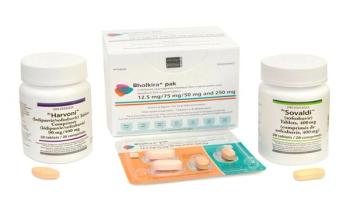
The new direct-acting antivirals (DAA) are effective in curing the hepatitis C virus infection, a potentially fatal disease that attacks the liver, but they are expensive--approximately $60,000 per patient. A study conducted by researchers at the University of Montreal Hospital Research Centre (CRCHUM), The Kirby Institute, UNSW Australia, and the Canadian Network on Hepatitis C (CanHepC) shows that nearly everywhere in Canada, provinces and territories impose obstacles to the reimbursement of these medications by the public system because of their cost.
Advertisement

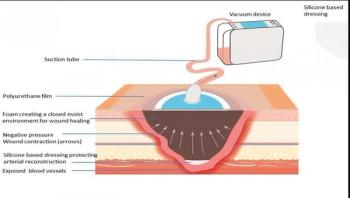
Shorter wound healing time, fewer dressing changes and the opportunity for earlier discharge from the hospital. These are some of the benefits of negative pressure wound therapy to treat wound infections in connection with vascular surgery at the groin. The method, which has become increasingly common, is also cost-effective. This is shown in a thesis from Lund University in Sweden in which the method has undergone its first major scientific evaluation in deep perivascular groin infections after vascular surgery.
Advertisement

The Zika virus (ZIKV) is not a new contagion; researchers have known about the virus since the 1950s. However, not much was known about the virus until recent outbreaks cropped up with debilitating impacts.

People infected with Zika virus may not be susceptible to Zika virus again, according to the latest research involving Kansas State University's Biosecurity Research Institute.

Bolstering antimicrobial stewardship programs to ensure appropriate use of antibiotics in smaller community hospitals is necessary to combat the global threat of antibiotic-resistant bacteria known as superbugs, according to a new study from researchers at Intermountain Medical Center in Salt Lake City.


A common bacterium that more than half of people have in their gut can use hydrogen gas present in the gastrointestinal tract to inject a cancer-causing toxin into otherwise healthy cells, according to a recently published study led by University of Georgia researchers.

Botanical supplements are used by people around the world to treat a wide range of physical and mental ailments. Some of these botanical supplements have high levels of antioxidants, which may have some positive health effects for certain conditions. However, a new study from the University of Missouri in partnership with scientists in Africa has uncovered evidence that these supplements and their antioxidants may reduce the effectiveness of prescription medications. The researchers examined the effects of a widely used African botanical supplement, called Sutherlandia, and found that it may disrupt the effectiveness of a common anti-tuberculosis drug. This could lead to the development of active tuberculosis and perhaps drug resistant forms of the pathogen in some patients.


Viral infection is one of the leading medical challenges of the 21st century, ranging from the hepatitis C virus (HCV) epidemic affecting 3 percent of the global population, to recent outbreaks of West Nile, Zika and Ebola viruses.
Sepsis is the single most expensive condition to treat in the U.S. healthcare system at an annual cost of $24 billion. More than 258,000 people in the United States die annually from sepsis - far more than the number of U.S. deaths from prostate cancer, lung cancer and breast cancer combined.

Advertisement
Advertisement
Trending on Infection Control Today
1
The World's Game, the World's Pathogens: Infection Prevention at the FIFA World Cup 2026
2
Pertussis Is Not Just a Childhood Disease: Why Lifelong Vaccination Matters More Than Ever
3
Diagnostics Take Center Stage in Ebola Response as Rare Bundibugyo Outbreak Expands
4