
News
Advertisement
Advertisement
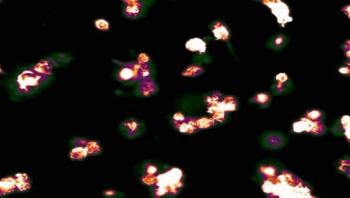
Rheumatoid arthritis patients taking medications that inhibit interleukin-1beta (IL-1beta), a molecule that stimulates the immune system, are 300 times more likely to experience invasive Group A Streptococcal infections than patients not on the drug, according to University of California San Diego School of Medicine researchers. Their study, published August 19 in Science Immunology, also uncovers a critical new role for IL-1beta as the body’s independent early warning system for bacterial infections.
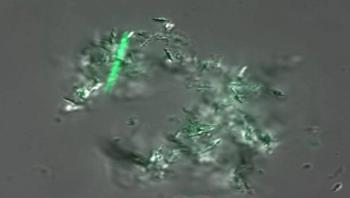
In developing nations, the current test to diagnose tuberculosis (TB) is error-prone, complicated and time-consuming. Furthermore, patients in these resource-limited areas can’t easily travel back to a clinic at a later date to get their results. To make diagnoses simpler, faster and more accurate, chemists have developed a quick and easy diagnostic tool. Field trials of the experimental new test began in June in South Africa, which has a high incidence of TB.
Advertisement

Geographers at the University of Southampton have completed a large scale data and mapping project to track the flow of internal human migration in low and middle-income countries.

As one of the most successful intracellular pathogens, Mycobacterium tuberculosis (Mtb) causes 8 million cases of tuberculosis and 1.3 million deaths worldwide annually. During the course of infection, Mtb is exposed to diverse redox stresses that trigger metabolic and physiological changes.
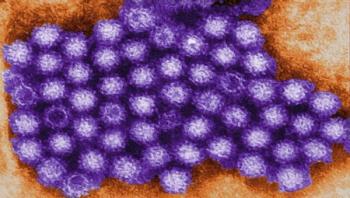
Norovirus is the most common viral cause of diarrhea worldwide, but scientists still know little about how it infects people and causes disease. Research has been hindered by an inability to grow the virus in the lab. Now, researchers at Washington University School of Medicine in St. Louis have identified the protein that norovirus uses to invade cells. The discovery, in mice, provides new ways to study a virus notoriously hard to work with and may lead to treatments or a vaccine.


There are four globally endemic human coronaviruses which, together with the better known rhinoviruses, are responsible for causing common colds. Usually, infections with these viruses are harmless to humans. DZIF professor Christian Drosten, Institute of Virology at the University Hospital of Bonn, and his research team have now found the source of HCoV-229E, one of the four common cold coronaviruses--it also originates from camels, just like the MERS virus.
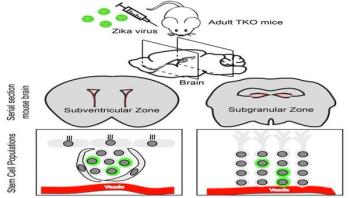
Zika infection kills off neural stem cells in adult mice bred to be vulnerable to the virus, researchers at the Rockefeller University and the La Jolla Institute for Allergy and Immunology report August 18 in Cell Stem Cell. It has yet to be studied whether the death of these cells has any short or long-term effects in the rodents.


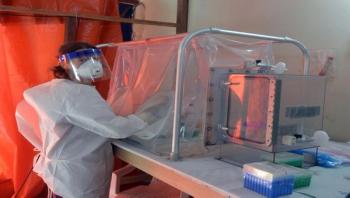
People infected with Ebola virus were 20 percent more likely to survive if they were co-infected with malaria-causing Plasmodium parasites, according to data collected at an Ebola diagnostic laboratory in Liberia in 2014-15. Moreover, greater numbers of Plasmodium parasites correlated with increased rates of Ebola survival, according to a dozen collaborating research groups in the new study, published in Clinical Infectious Diseases. The survival difference was evident even after controlling for Ebola viral load and age. Scientists from the National Institute of Allergy and Infectious Diseases, part of the National Institutes of Health (NIH), led the project.
Advertisement
Advertisement