
News
Advertisement
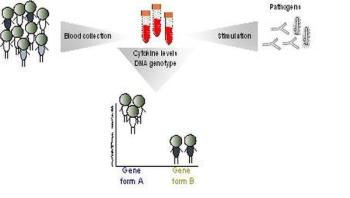
A study that is first in its kind and published in Nature Medicine today has looked at how far genetic factors control the immune cell response to pathogens in healthy individuals. A team investigated the response of immune cells from 200 healthy volunteers when stimulated with a comprehensive list of pathogens ex vivo (outside the human body), and has correlated these responses with 4 million genetic variants (SNPs). The study was performed by scientists from University Medical Centre Groningen, Radboud University Medical Centre (both in the Netherlands) and Harvard Medical School. The paper was published July 4, 2016.
Advertisement
Advertisement
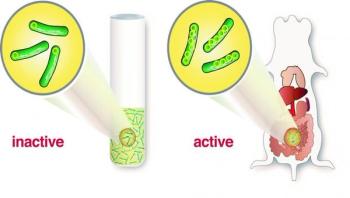
Researchers at Umeå University in Sweden are first to discover that bacteria can multiply disease-inducing genes which are needed to rapidly cause infection. The results were published in Science on June 30, 2016.
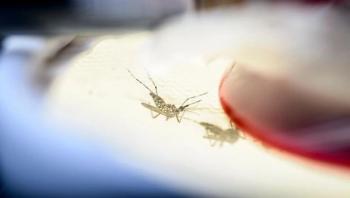
Researchers at the University of Wisconsin-Madison have confirmed that a benign bacterium called Wolbachia pipientis can completely block transmission of Zika virus in Aedes aegypti, the mosquito species responsible for passing the virus to humans.
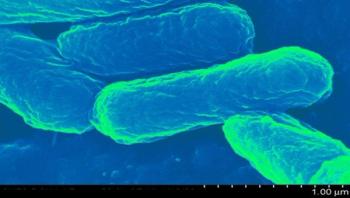
Most people recoil at the thought of ingesting E. coli. But what if the headline-grabbing bacteria could be used to fight disease? Researchers experimenting with harmless strains of E. coli -- yes, the majority of E. coli are safe and important to healthy human digestion -- are working toward that goal. Specifically, they have developed an E. coli-based transport capsule designed to help next-generation vaccines do a more efficient and effective job than today's immunizations.
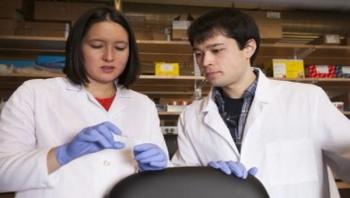
Tuberculosis is one of the most common infectious diseases in the world, infecting almost 10 million people each year. Treating the disease can be challenging and requires a combination of multiple antibiotics delivered over several months. This is due, in part, to variations in antibiotic tolerance among subpopulations of Mycobacterium tuberculosis, the bacteria that cause tuberculosis.
For more than a millennia of medicine, the caregiver's oath has been, "Do no harm." Unfortunately for the sterile processing world, there are billions of microorganisms out there that are aiming at doing the exact opposite. The challenge is so great that most hospitals have entire departments dedicated to the mission of infection control, a practical sub-set of epidemiology concerned with preventing nosocomial (healthcare-associated) infections. Although there are countless areas of focus for these teams in a hospital setting, there are few more effective partners in winning the fight against infection than the sterile processing team.
Q: My facility does not launder our scrubs, we must take them home. I have heard from other colleagues that their facilities provide and launder their scrubs. What is the recommended dress code for SPD in the clean/sterile areas and should our scrubs be laundered by the facility?A: I can understand your confusion. Unfortunately, not all facilities comply with the standards and therefore do not provide laundered scrubs to sterile processing staff. I do not really understand the non-compliance by facilities when one considers that SPD personnel are preparing sterile product for use on patients. Therefore very effort should be made to keep bioburden levels to a minimum.
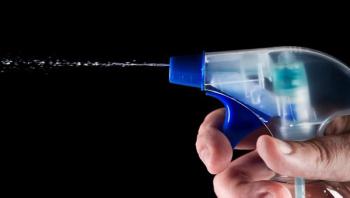
There are five key considerations that healthcare professionals should take into account when selecting the optimal disinfectant for the decontamination of environmental surfaces and noncritical patient-care items.
Advertisement
Advertisement