News


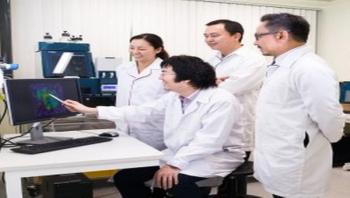
The development of a reusable microfluidic device for sorting and manipulating cells and other micro/nano meter scale objects will make biomedical diagnosis of diseases, such as HIV and tuberculosis,cheaper and more convenient in regions where medical facilities are sparse or cost is prohibitive. Researchers at Penn State have recently filed a patent to develop such a device.

When associate professor of pharmacy practice Tadd Hellwig of South Dakota State University and three pharmacy colleagues at the Sanford USD Medical Center noticed that some hospital patients given two common antibiotics developed kidney failure, they decided to take a closer look. What they discovered led to closer monitoring of patients receiving vancomycin and piperacillin-tazobactam due to an increased risk of kidney damage.


A group of researchers from the University of Helsinki and the University of Edinburgh is the first to find the genetic material of a human virus from old human bones. Published in the journal Scientific Reports, the study analyzed the skeletal remains of Second World War casualties from the battlefields of Karelia


The world is poised to end the AIDS epidemic by 2030 – provided it can accelerate the pace of progress achieved globally over the past 15 years, according to a new World Health Organization (WHO) report.

In the fall of 1980, a 33-year-old immunologist named Michael Gottlieb began hearing about young homosexual men in the Los Angeles area who, inexplicably, were extremely ill. The men had a rare form of pneumonia – caused by the fungus Pneumocystis carinii (now called P. jirovecii) – which only strikes patients with severely weakened immune systems. The five men whose cases Gottlieb tracked did not know each other, and all but one had been in robust health until their physical conditions suddenly declined.

A program by Stony Brook Children’s Hospital that involves the use of trained community health workers on child immunization reveals that home intervention and education improves vaccine/immunization rates in at-risk children, including those living in poverty. Overall, the intervention improved the likelihood of up-to-date immunization status by more than 15 percent for children up to 2 years of age compared to those without the intervention. The study involved more than 300 pediatric patients and is published in the journal Vaccine.