
News
Advertisement
Advertisement
Hospital operating rooms (ORs) and ambulatory surgery centers (ASCs) must confront more than their fair share of challenges in the current healthcare environment. Many facilities are working with limited capital and non-capital budgets; facilities have cut back on spending. Volumes of surgical procedures have been reduced as a notable percentage of people are unexpectedly without insurance due to job losses. Those patients are procrastinating on surgical procedures while they search for new employment.
Advertisement


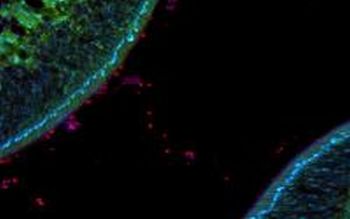
There are 10 microbial cells for every one human cell in the body, and microbiology dogma holds that there is a tight barrier protecting the inside of the body from outside invaders, in this case bacteria. Bacterial pathogens can break this barrier to cause infection and senior author Jeffrey Weiser, MD, professor of microbiology and pediatrics from the Perelman School of Medicine at the University of Pennsylvania, and first author Thomas Clarke, PhD, a postdoctoral fellow in the Weiser lab, wondered how microbes get inside the host and circulate in the first place. Weiser and Clarke tested to see if microbes somehow weaken host cell defenses to enter tissues.
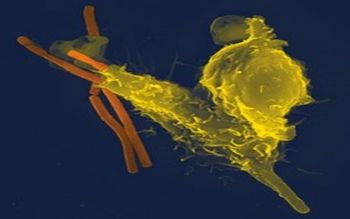
Scientists at the University of California, San Diego School of Medicine and Skaggs School of Pharmacy and Pharmaceutical Sciences have uncovered how the bodys immune system launches its survival response to the notorious and deadly bacterium anthrax. The findings, reported online today and published in the June 22 issue of the journal Immunity, describe key emergency signals the body sends out when challenged by a life-threatening infection.
Advertisement
Advertisement
Trending on Infection Control Today
1
Bug of the Month: The Quiet Guest in the Dust
2
What Is Effective Preparedness for Emerging Respiratory Viruses? Shazia Irum, MSC, MBA, RN, CIC, CPHQ, FAPIC, answers
3
Continuous Photohydrolysis Disinfection Cuts MDROs, COVID-19, and Hospital Transfers in Long-Term Care, Study Finds
4
Influenza D and Canine Coronavirus: Why Underrecognized Animal Viruses May Be the Next Respiratory Threat
5