
News
Advertisement
Advertisement
Advertisement



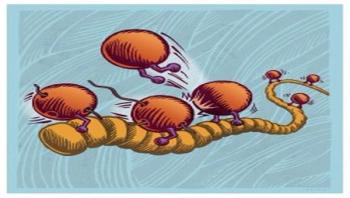
University of Utah researchers ran biochemical analysis and computer simulations of a livestock virus to discover a likely and exotic mechanism to explain the replication of related viruses such as Ebola, measles and rabies. The mechanism may be a possible target for new treatments within a decade.
In the Democratic Republic of the Congo (DRC) there was long experience with Ebola – this was the seventh outbreak of the disease here. The country had the knowledge and the people needed to stop an outbreak – plus strong technical assistance and support from the World Health Organization (WHO).
Advertisement
Advertisement