
News
Advertisement

Infection Control Today spoke with Carol McLay, DrPH, RN, CIC, an infection prevention consultant in Lexington, Ky. who authored the chapter on "Laundry, Patient Linens, Textiles and Uniforms" in the APIC Text. She provides her insights on proper healthcare textiles handling as well as the role that infection preventionists can play in the education and training of laundry services personnel regarding bloodborne pathogen-exposure prevention.
Advertisement
Advertisement
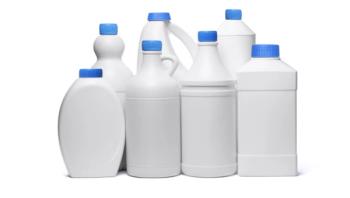
Infection Control Today surveyed infection preventionists regarding their opinions on key issues related to environmental hygiene and surface disinfection. This report presents the survey findings through charts and graphs as a quick snapshot of infection preventionists' perspectives and practices relating to surface cleaning and disinfection.
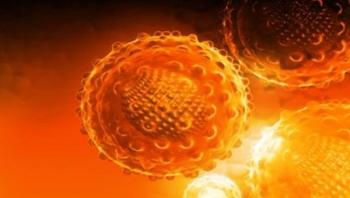
A single protein may tip the balance between ridding the body of a dangerous virus and enduring life-long chronic infection, according to a report appearing in the Journal of Experimental Medicine.
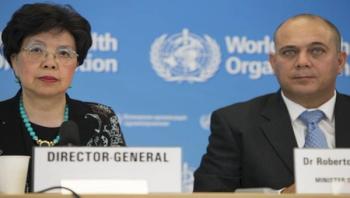
Cuba is known the world over for its ability to train excellent doctors and nurses who can then go out to help other countries in need. Currently there are more than 50 000 Cuban-trained healthcare workers in 66 countries. Dr. Roberto Morales Ojeda, minister of public health, has announced that Cuba will send a medical team of 165 people to Sierra Leone to help in the frontline in the Ebola response efforts. This is the largest offer of a foreign medical team from a single country during this outbreak.
Advertisement
Advertisement
Trending on Infection Control Today
1
What Is Trichophyton indotineae? Drug-Resistant Ringworm Spreads to 29 Countries
2
Infection Control Today Launches First Digital Magazine for Infection Prevention Professionals
3
ICT Weekly Rounds – September 17, 2026: RIngworm, Measles, Ebola Updates
4
National EVS Week 2026: Why Environmental Services Is Essential to Infection Prevention and Patient Safety
5