

A study of 4,851 nursing home residents linked shared rooms to higher odds of matching MDRO carriage, while universal decolonization was associated with lower concordant carriage across MRSA, ESBL, and VRE.
A study of 4,851 nursing home residents linked shared rooms to higher odds of matching MDRO carriage, while universal decolonization was associated with lower concordant carriage across MRSA, ESBL, and VRE.
Presented at IDWeek 2026, a living review of 64 studies found the strongest evidence for dengue prevention from mosquito modification, while highlighting substantial uncertainty and research gaps in other approaches to Aedes vector control.
A 2026 IDWeek poster details how respiratory cultures and whole genome sequencing clarified a NICU MRSA outbreak, with targeted prevention measures followed by at least 6 months without additional bacteremias or related respiratory clusters.
Researchers recovered a carbapenemase-producing organism from the shaft of a hospital drain auger, prompting calls for standardized reprocessing protocols and further investigation into maintenance equipment as a potential source of environmental dissemination.
A poster presented at IDWeek was a systematic review of 35 studies that found rare transmission of viral hemorrhagic fever to health care personnel in high-income countries and highlighted the need for standardized exposure definitions to guide response.
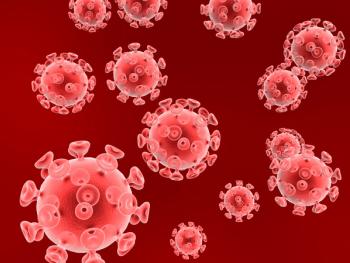
Kimberley Brown, PharmD, Head of U.S. Medical Affairs at ViiV Healthcare discusses the evolution of HIV care and how innovative long-acting injectables are expanding options across HIV treatment and prevention.
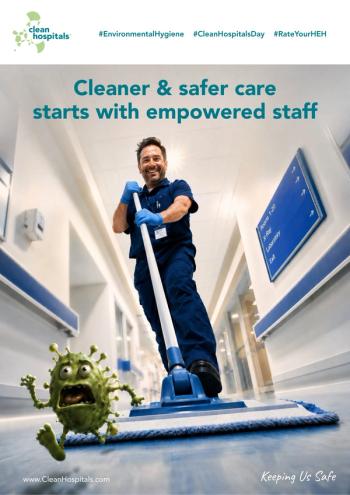
Clean Hospitals President Alexandra Peters, PhD, explains how training, meaningful support, and stronger collaboration with infection prevention teams can empower environmental services staff and strengthen patient safety.

A proposed hepatitis B vaccine trial in Guinea-Bissau raises concerns about delaying newborn protection. This commentary examines the ethical obligations of researchers and the consequences of weakening established prevention efforts.
For International Infection Prevention Week, Infection Control Today explores how prevention connects hospital departments with everyday community life and why infection preventionists (IPs), sterile processing department (SPD), professionals, and environmental services (EVS) teams deserve lasting support.
This week in infection prevention: Kenya's imported Ebola case showed how fever screening can miss an ill traveler, Florida's dengue outbreak reached 296 local cases, and new guidance underscores that missed surfaces and shared equipment fuel AMR risk. Our weekly roundup covers these stories and more.

During Sterile Processing Week, Infection Control Today honors the professionals behind safe instrument reprocessing and calls for year-round investment in education, staffing, resources, and meaningful collaboration across health care teams.
In honor of Global Handwashing Day, Jamar Shaw, MD, MPH, CIC, explains how applying the WHO 5 Moments to actual care sequences can reduce transmission risks in ambulatory settings.
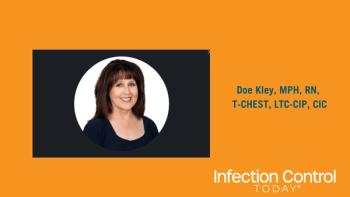
Doe Kley, MPH, RN, T-CHEST, LTC-CIP, CIC, discusses how environmental hygiene supports efforts to contain antimicrobial resistance, examining disinfectant efficacy, dilution failures, shared equipment, and the partnership between infection prevention and environmental services teams.
AI tools may help clinicians recognize sepsis earlier, but false alarms, limited external validation, and uncertain effects on patient outcomes complicate their use in adult and neonatal intensive care.

An imported case of Bundibugyo virus disease in Kenya raises questions about airport screening, clinical recognition, and potential exposures, highlighting the importance of coordinated contact tracing and hospital infection prevention readiness.
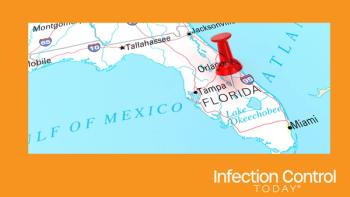
Florida’s dengue outbreak highlights the importance of recognizing symptoms, identifying warning signs, and preventing mosquito bites. Ubong Johnson, MD, explains local transmission, diagnostic testing, treatment, and practical prevention measures.

Understanding current water quality is a starting point for ST108 implementation. John Kimsey, vice president of processing optimization and customer success for STERIS, spoke about his HSPA presentation on assessing readiness, distinguishing system qualification from routine testing, and understanding where water samples should be collected.

An unexplained death at a Russian plague research institute has prompted international scrutiny. The incident raises questions about laboratory safety, transparent reporting, and infection prevention preparedness while the cause remains unconfirmed.

Behind every landmark in infection prevention, from antimicrobial stewardship guidelines to the COVID-19 town halls that reached flight attendants and teachers, is a generation of physician-scientists who led SHEA through crises, organizational change, and scientific breakthroughs. Infection Control Today traces 30 years of SHEA presidents and the lasting mark they left on the field.

Missing instruments and processing delays can strain OR–SPD relationships. At AORN 2026, John Kimsey, vice president of processing optimization and customer success for STERIS, discusses understanding root causes, exploring off-site reprocessing for ambulatory surgical centers, and using hands-on simulation to help surgical teams see sterile processing from a different perspective.

This week's coverage in Infection Control Today centered on a common thread: the systems, partnerships, and data that let infection prevention teams catch problems before patients are harmed.
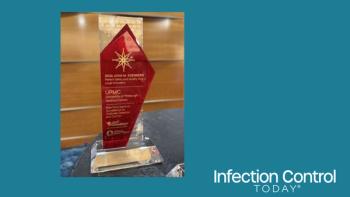
UPMC’s genomic surveillance initiative earned national recognition for patient safety. Alexander Sundermann, DrPH, CIC, FAPIC, AL-CIP, explains how the award could help infection preventionists secure leadership support and sustainable funding for earlier outbreak detection.

Knowing the protocol is only the beginning. In The Clean Bite, Sherrie Busby explores how explaining the why, addressing staff concerns, and creating clear procedures can help dental teams make infection control part of everyday practice.

What might infection prevention rounds miss when visible conditions dominate the conversation? Tommy Davis, PhD, CMIP, a member of ICT's executive advisory board, makes the case for structured observations of clinical workflows, shared accountability, and greater attention to environmental services staff’s insights.
A proposed $27.7 million reduction in AHRQ funding raises questions about support for infection prevention research and implementation. Here is what the September 25 announcement identifies, as well as what remains unknown about specific IPC programs.

Two posters presented by Karen Jones, MPH, RN, CIC, FAPIC, at the APIC Annual Conference and Exposition examine surveillance responsibilities and staffing in small hospitals, as well as IPs’ reported experiences after implementing electronic surveillance. Findings highlight opportunities for more investigation, rounding, and communication.

A followed procedure can still leave patients at risk if it no longer matches validated requirements. Annetta L. McKnight, MHA, BSN, CRCST, CER, examines how infection prevention and sterile processing can identify process drift, assess disruptions, and strengthen shared oversight of medical device reprocessing.

Artist and designer Matthew Caliman shares how personal loss inspired the Cleanup Crew, a handwashing education project using cartoon faucets, songs, and games to help families revisit an essential health message.

In 1926, Karen Jones’s grandmother lost 5 children to measles in 8 days. A century later, Jones connects that devastating family history to vaccination, outbreak preparedness, and the role of infection preventionists in building trust.
What Were the Biggest Infection Prevention Stories This Week? Ebola's Outpaced Response, Lyme Coinfection Data, and Sterile Processing Burnout Explained, and more