
News
Advertisement
Advertisement
Advertisement
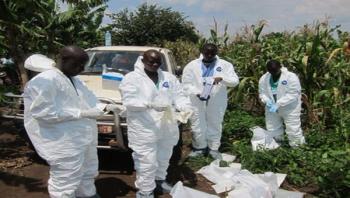
According to an article in the Morbidity and Mortality Weekly Report (MMWR) released last week by the Centers for Disease Control and Prevention (CDC), pilot projects between CDC and Uganda and CDC and Vietnam have resulted in improvements in disease detection and response that may serve as a model for increasing global health security in the rest of the world. Global health security keeping the U.S. and the world safe and secure from infectious disease threats is achieved by preventing, detecting and responding to outbreaks as early and effectively as possible.
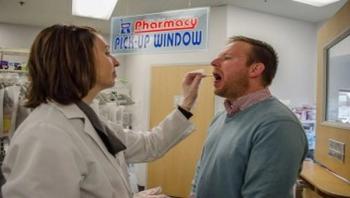
Getting tested and treated for the flu and strep throat became much easier in Omaha. Its now as convenient as a trip to the grocery store. Hy-Vee, Inc., in collaboration with the University of Nebraska Medical Center College of Pharmacy and Ferris State University in Big Rapids, Mich., is one of the first pharmacies in the United States to offer customers a rapid-diagnostic influenza or Group A Streptococcus test.
Advertisement
Advertisement
Trending on Infection Control Today
1
What Is Trichophyton indotineae? Drug-Resistant Ringworm Spreads to 29 Countries
2
Infection Control Today Launches First Digital Magazine for Infection Prevention Professionals
3
ICT Weekly Rounds – September 17, 2026: RIngworm, Measles, Ebola Updates
4
National EVS Week 2026: Why Environmental Services Is Essential to Infection Prevention and Patient Safety
5