
News
Advertisement
Advertisement
Advertisement
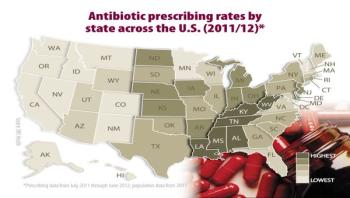
Every year as many as 10 million U.S. children risk side effects from antibiotic prescriptions that are unlikely to help their upper respiratory conditions. Many of these infections are caused by viruses, which are not helped by antibiotics.

The layers of skin that form the first line of defense in the bodys fight against infection have revealed a unanticipated secret. The single cell type that was thought to be behind the skins immune defense has been found to have a doppelganger, with researchers from the Walter and Eliza Hall Institute showing the cells, despite appearing identical, are actually two different types.
With greater emphasis than ever before on evidence-based practices and implementation science, researchers are working diligently to provide answers to questions that have been plaguing the healthcare epidemiology and infection prevention community. Recognizing that there are more questions than answers, the Society for Healthcare Epidemiology of America (SHEA) surveyed its members several years ago measure their perceptions of gaps in the healthcare epidemiology knowledge base and members priorities for SHEA research goals. The society also assessed whether members would be willing to participate in consortia to address identified gaps in knowledge, and evaluated the need for training for the next generation of investigators in the field of healthcare epidemiology.
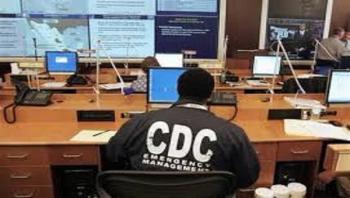
The Centers for Disease Control and Prevention received accreditation from the Emergency Management Accreditation Program (EMAP) for its excellence in emergency management. CDC is the first federal agency to attain full accreditation of its emergency management program.
Advertisement
Advertisement
Trending on Infection Control Today
1
What Is Trichophyton indotineae? Drug-Resistant Ringworm Spreads to 29 Countries
2
Infection Control Today Launches First Digital Magazine for Infection Prevention Professionals
3
ICT Weekly Rounds – September 17, 2026: RIngworm, Measles, Ebola Updates
4
National EVS Week 2026: Why Environmental Services Is Essential to Infection Prevention and Patient Safety
5