At IDWeek 2026, Jimmy Chang, PhD, discussed investigational HIV antibodies TMB-365 and TMB-380, explaining their complementary mechanisms, early study findings, and ongoing evaluation as a long-acting maintenance regimen.
John Rex, MD, CMO of F2G, discusses investigational olorofim’s phase 3 findings, why new antifungals are difficult to develop, and how an oral option could help patients with limited treatment choices.
A 2026 IDWeek poster details how respiratory cultures and whole genome sequencing clarified a NICU MRSA outbreak, with targeted prevention measures followed by at least 6 months without additional bacteremias or related respiratory clusters.
This week in infection prevention: Kenya's imported Ebola case showed how fever screening can miss an ill traveler, Florida's dengue outbreak reached 296 local cases, and new guidance underscores that missed surfaces and shared equipment fuel AMR risk. Our weekly roundup covers these stories and more.
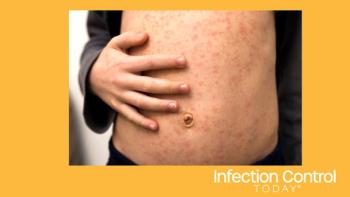
The US lost its measles elimination status, which it has held since 2000. Tinglong Dai, PhD, explains how missed appointments, neighborhood vaccination gaps, and limited surge capacity can hamper measles response, and what health systems can do before an outbreak tests their plans.
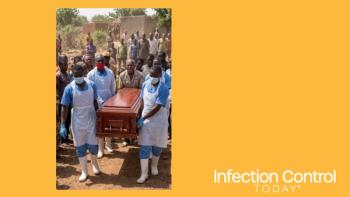
Health worker infections, threats against response teams, and gaps in triage are straining the DRC’s Ebola response. What can infection preventionists learn about protecting staff and keeping essential services open?
What happens to a towel between uses? Natasha Terborg traces the laundry process from collection to storage and explains which practices from health care guidance can inform everyday laundry in shared facilities.
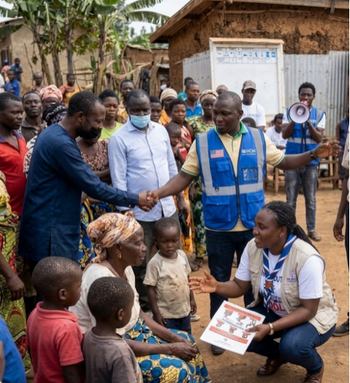
An infection preventionist examines the DRC’s Ebola response through contact tracing and community engagement, explaining why daily follow-up, timely investigations, and trust reveal challenges that cumulative case counts alone cannot capture.