An ICU study found that alcohol-based hand rub applied after patient care reduced glove bioburden, while staff raised feasibility concerns. Researchers stress that the practice does not replace glove changes or hand hygiene.
For International Infection Prevention Week, Infection Control Today explores how prevention connects hospital departments with everyday community life and why infection preventionists (IPs), sterile processing department (SPD), professionals, and environmental services (EVS) teams deserve lasting support.
In honor of Global Handwashing Day, Jamar Shaw, MD, MPH, CIC, explains how applying the WHO 5 Moments to actual care sequences can reduce transmission risks in ambulatory settings.
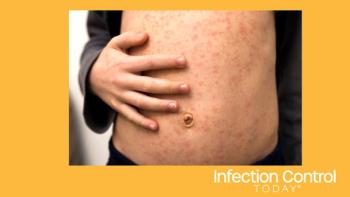
The US lost its measles elimination status, which it has held since 2000. Tinglong Dai, PhD, explains how missed appointments, neighborhood vaccination gaps, and limited surge capacity can hamper measles response, and what health systems can do before an outbreak tests their plans.
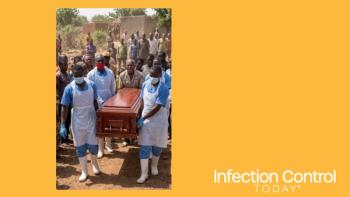
Health worker infections, threats against response teams, and gaps in triage are straining the DRC’s Ebola response. What can infection preventionists learn about protecting staff and keeping essential services open?
What happens to a towel between uses? Natasha Terborg traces the laundry process from collection to storage and explains which practices from health care guidance can inform everyday laundry in shared facilities.
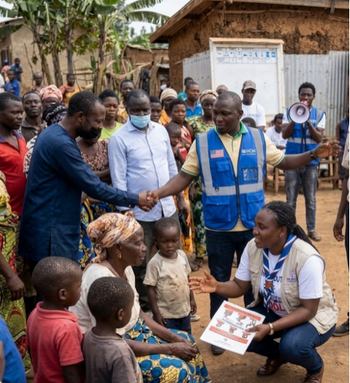
An infection preventionist examines the DRC’s Ebola response through contact tracing and community engagement, explaining why daily follow-up, timely investigations, and trust reveal challenges that cumulative case counts alone cannot capture.
Four vaccine experts discuss how sustained financing, local research leadership, and community trust can strengthen vaccine development in low- and middle-income countries (LMICs), drawing on practical insights from India and Bangladesh.