|Articles|January 14, 2013

American College of Physicians Calls for Immunizations for All Healthcare Providers

The American College of Physicians (ACP) has approved a policy recommendation that all healthcare providers (HCPs) be immunized against influenza; diphtheria; hepatitis B; measles, mumps, and rubella; pertussis (whooping cough); and varicella (chickenpox) according to the Advisory Committee on Immunization Practices (ACIP) Adult Immunization Schedule. ACP's policy exempts HCPs for medical reasons or a religious objection to immunization.

"These transmissible infectious diseases represent a threat to health care providers and the patients we serve, who are often highly vulnerable to infection," says David L. Bronson, MD, FACP, president of ACP. "Proper immunization safely and effectively prevents a significant number of infections, hospitalizations, and deaths among patients as well as preventing workplace disruption and medical errors by absent workers due to illness."

With flu season underway, ACP urges all adults to get a flu shot if they haven't already and to talk with their internist about other immunizations they might need. Only 39 percent of adults received the flu vaccine during the 2011-12 season. People who cannot get a flu shot or other immunizations for medical reasons should talk to their internist about other ways of protecting themselves.

Source: ACP


Related to this article

A brightly lit Hospital operating room, a surgical team wearing gowns and masks.  (Adobe Stock 1790696595 by Damian)
Turnover pressure can leave critical OR cleaning steps unfinished. Karen deKay, MSN, RN, EBP-C, CNOR, CIC, FAPIC, examines common gaps in environmental hygiene and how shared responsibilities, attention to disinfectant contact time, and ongoing education can help teams strengthen practices between cases.
Infection preventionists in full PPE with children in DRC.  (Image credit: author with AI)
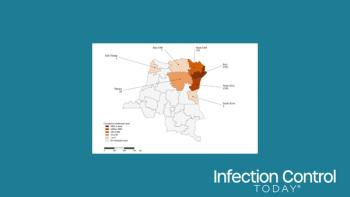
Nearly 4 months into the DRC's Bundibugyo virus disease outbreak, some indicators suggest transmission may be slowing. But shifting hotspots, treatment-center capacity problems, community deaths, and incomplete surveillance data show why national case totals alone cannot determine whether containment has been achieved.
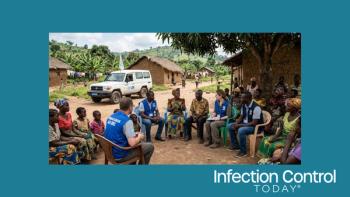
Health care workers from the US speaking with other health care workers in DRC.  (Image credit: author with AI)
Is the Ebola outbreak in the DRC getting better? The answer depends on which numbers you examine. Several important indicators are moving in the right direction, including slower case growth and a declining Rₜ. But major gaps remain in contact tracing, testing, community deaths, safe burial coverage, and treatment capacity in some of the hardest-hit areas. ICT takes a deeper look at the latest outbreak data and why the numbers suggest cautious optimism, not victory.