|Articles|July 5, 2005

Child Health Corporation of America Designates Ansell Healthcare as Surgical and Exam Glove Supplier

RED BANK, N.J. --  Effective June 1, 2005, Ansell Healthcare Products LLC, a global leader in healthcare barrier protective products, has entered into a two-year supplier agreement with Child Health Corporation of America (CHCA), a healthcare group purchasing organization (GPO) headquartered in Shawnee Mission, Kan. 


The agreement offers CHCA members preferred access to the complete line of Ansell surgical and examination gloves. In addition, Ansell will provide complimentary consultative programs to all CHCA members with an emphasis on glove management and utilization, risk management analysis, and various continuing education programs.


Ansell is fully committed to providing our portfolio of products, clinical education, and selling excellence to address the needs of customers such as Child Health Corporation of America, remarked Scott C. Clausen, director of corporate partnerships for Ansell. We have enjoyed several successful, long-term relationships with member organizations, such as CHCA. The fact that they continue to select Ansell as their supplier indicates that we are successful in helping them deliver on their commitment to providing high-quality services to meet patient needs.


CHCA is a catalyst for continuous performance improvement, networking 41 of North Americas leading childrens hospitals. CHCA provides a range of programs and services designed to improve the performance of children's hospitals. CHCA programs reduce hospital costs, increase revenue, strengthen the competitive position of childrens hospitals, and improve the quality of care for children.


Ansell Ltd is a global leader in healthcare barrier protective products. With operations in the Americas, Europe, and Asia, Ansell employs more than 11,000 people worldwide and holds leading positions in the natural latex and latex-free glove and condom markets. Ansell operates in three main business segments: Occupational Healthcare, supplying hand protection to the industrial market; Professional Healthcare, supplying surgical and examination gloves to healthcare professionals; and Consumer Healthcare, supplying sexual health products and consumer hand protection.


Source: Ansell Ltd.


Related to this article

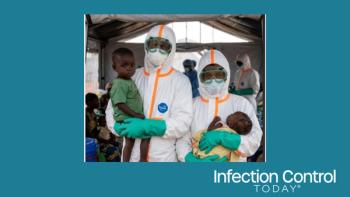
Infection preventionists in full PPE with children in DRC.  (Image credit: author with AI)
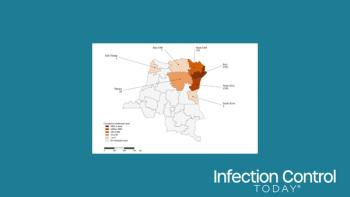
Nearly 4 months into the DRC's Bundibugyo virus disease outbreak, some indicators suggest transmission may be slowing. But shifting hotspots, treatment-center capacity problems, community deaths, and incomplete surveillance data show why national case totals alone cannot determine whether containment has been achieved.
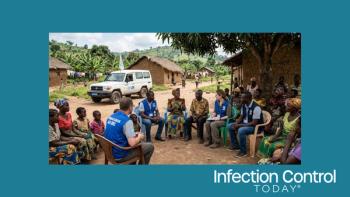
Health care workers from the US speaking with other health care workers in DRC.  (Image credit: author with AI)
Is the Ebola outbreak in the DRC getting better? The answer depends on which numbers you examine. Several important indicators are moving in the right direction, including slower case growth and a declining Rₜ. But major gaps remain in contact tracing, testing, community deaths, safe burial coverage, and treatment capacity in some of the hardest-hit areas. ICT takes a deeper look at the latest outbreak data and why the numbers suggest cautious optimism, not victory.
Dyan Troxell, MSN, RN, director of clinical education at HandCraft Linen Services; J.J. Odom, MBA, CHESP, CMIP, T-CHEST, university director of buildings and grounds for UConn Health and chair-elect of the AHE Board; and Jenna Rivers, MPH, CPH, CIC, manager of infection prevention and control at Moffitt Cancer Center in Tampa, Florida.
At AHE Exchange 2026, ICT spoke with experts representing commercial laundry services, EVS, and infection prevention about the systems behind a successful reusable linen program. They discuss linen quality, reject rates, unnecessary waste, frontline education, data, PAR levels, infection prevention oversight, and why strong relationships between health care facilities and their laundry providers matter.
A group of students raising their hands in class during a lecture  (Adobe Stock 292282454 by Mediteraneo
How do you celebrate an infection that never happened? That's one of the unusual challenges infection preventionists share with teachers. Both can spend their careers changing outcomes they may never see. Both educate people who don't always want to listen. Both are second-guessed. Both face burnout. And both must somehow keep remembering why they started.