GP Cellulose announced it is supporting UNICEF's water, sanitation and hygiene programs in China through an initiative called Green Hand Project, which will help improve conditions in schools for approximately 15,000 children. GP Cellulose has launched a two-year commitment to donate $1 to the U.S. Fund for UNICEF for every metric tonne of Golden Isles® fluff pulp purchased by its customers in China, with a maximum contribution of $500,000. Through the GP Cellulose Green Hand Project, these donations will help improve water and sanitation facilities and support hygiene and nutrition programs in Chinese schools in the provinces of Yunnan, Guizhou, Guangxi and Xinjiang.
"GP Cellulose fluff products are used in more than 75 countries worldwide including China, with a primary end-use in products that improve hygiene," says Pat Boushka, president of GP Cellulose. "Our Green Hand Project helps address the need for water, sanitation and hygiene for rural school children in China. By working with UNICEF on this issue, we believe we can help bring about change and build stronger, more sustainable communities where we and our customers do business."
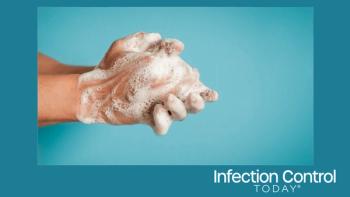
According to UNICEF, more than 25 percent of rural Chinese schools lack handwashing facilities and 17 percent have no water supply at all. The scarcity of adequate sanitation results in illness and missed school days, especially for girls.
"We are extremely grateful for GP Cellulose's campaign to support community-led efforts to create safe, sanitary and sustainable schools in China," says Tim Sutton, deputy representative for UNICEF China. "This will allow us to move closer to the goal of scaling up good water and sanitation practices in schools in cooperation with the Chinese government. At GP Cellulose, we believe good business isn't just about growth, it's about creating value. We believe in growing in a way that benefits our customers, our company and society, and building for the long term."
Source: Georgia-Pacific