|Articles|June 11, 2010

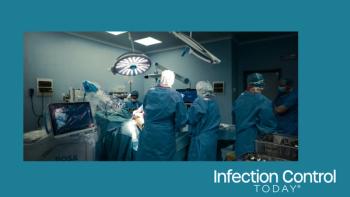
OR Nurses Ask for Time Out to Reduce Surgical Errors

The Association of periOperative Registered Nurses (AORN) is drawing on its ability to influence patient safety practices in the OR with the national launch of a “Time Out Commitment” campaign.

The new year-round campaign begins on National Time Out Day, June 16, and is designed to increase awareness of and compliance to taking a time for every patient, every time before the start of a surgical procedure. Time out allows the entire surgical team to verify the correct person, procedure, and site. Due to the size of its membership, AORN expects the Time Out Commitment campaign to reduce the risk of surgical errors in thousands of hospitals and ambulatory surgery centers across the United States.

Despite efforts to address errors such as wrong site surgery, The Joint Commission’s latest update to its sentinel event statistics indicates that wrong-site surgery is still the most common sentinel event reported. Between January and March of 2010, 18 wrong-site surgeries were reported to The Joint Commission. These numbers illustrate the important role perioperative nurses can play in speaking up for the patient and promoting safety checks to catch errors before they happen.

AORN, with more than 40,000 OR nurse members, believes a campaign that emphasizes commitment will inspire awareness, collaboration and compliance throughout the operating room.

“Every member of the surgical team has unique responsibilities as they prepare patients for surgery,” said Linda Groah, RN, MSN, CNOR, NEA-BC, FAAN, the Association’s executive director and CEO. “We believe that by starting an ongoing time out campaign with our members, and by providing them with education and awareness tools for the entire team, pre-op practices and surgical outcomes will improve.”

With the support of the World Health Organization and The Joint Commission, AORN has assembled several tools and provided new online resources to support their members as time out champions. In addition to a downloadable poster that proclaims, “I Commit to Time Out for Every Patient, Every Time,” the Association has created an online sign-up where OR professionals can publicly support the campaign by adding their names and the names of their facilities. The WHO’s surgical checklist, The Joint Commission’s Universal Protocol and the AORN Comprehensive Surgical Checklist are also available free online as well as videos that demonstrate the time out procedure.

In addition to providing online time out education resources, AORN has initiated an OR professionals’ discussion group on OR Nurse Link, the association’s online community. The discussion, led by AORN president Charlotte Guglielmi, RN, BSN, MA, CNOR, perioperative nurse specialist at the Beth Israel Deaconess Medical Center in Boston, will help facilitate time out conversations in ORs across the country, and open up new communications channels to share best practices. “Some of the participants will be there to learn while others will be sharing their experience and stories of successful practices,” said Guglielmi. “This forum will inform surgical teams about exactly what needs to be done to achieve time out for every patient, every time.”




Related to this article

Water  (Adobe Stock 456102510 by stockphoto-graf)
Understanding current water quality is a starting point for ST108 implementation. John Kimsey, vice president of processing optimization and customer success for STERISS, spoke about his HSPA presentation on assessing readiness, distinguishing system qualification from routine testing, and understanding where water samples should be collected.
Image of Pathogens flying   (Adobe Stock weerasak)
Behind every landmark in infection prevention, from antimicrobial stewardship guidelines to the COVID-19 town halls that reached flight attendants and teachers, is a generation of physician-scientists who led SHEA through crises, organizational change, and scientific breakthroughs. Infection Control Today traces 30 years of SHEA presidents and the lasting mark they left on the field.
AORN26 New Orleans 2026  (Adobe Stock)
Missing instruments and processing delays can strain OR–SPD relationships. At AORN 2026, John Kimsey, vice president of processing optimization and customer success for STERIS, discusses understanding root causes, exploring off-site reprocessing for ambulatory surgical centers, and using hands-on simulation to help surgical teams see sterile processing from a different perspective.
A brightly lit Hospital operating room, a surgical team wearing gowns and masks.  (Adobe Stock 1790696595 by Damian)
Turnover pressure can leave critical OR cleaning steps unfinished. Karen deKay, MSN, RN, EBP-C, CNOR, CIC, FAPIC, examines common gaps in environmental hygiene and how shared responsibilities, attention to disinfectant contact time, and ongoing education can help teams strengthen practices between cases.