This week's coverage in Infection Control Today centered on a common thread: the systems, partnerships, and data that let infection prevention teams catch problems before patients are harmed.
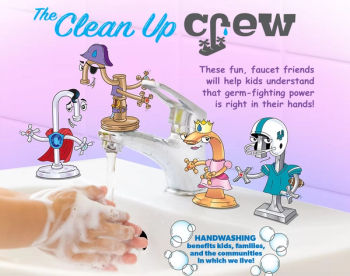
As the beginning of the school year approaches, parents need to remind their children about the importance of handwashing. Every day people touch surfaces including books, desks, door knobs, sink handles, and other people and many of them harbor bacteria and viruses that can cause illnesses. According to WebMD.com approximately 80 percent of infectious diseases are transmitted by touch. The CDC reports that the simple act of handwashing is the single most important means of preventing the spread of viral and bacterial infections. Dr. Beverly Connelly, of the Division of Infectious Diseases at Cincinnati Children’s Hospital Medical Center, says that handwashing is the No. 1 defense against many infections. It’s especially important after using the bathroom and before eating.
Connelly says washing for 20 seconds with soap and water is best; but hand sanitizers also work well against most germs. “Germs get left everywhere," she says. " Good hand hygiene practices help prevent catching colds and respiratory viral infections, stomach bugs and diarrhea, as well as MRSA and other skin infections. Make hand hygiene a practice you and your family practice everyday.”
Some tips to make handwashing second nature for your child:
• Make sure your child understands why it’s important to wash her hands.
• Set a good example by establishing a good hand washing routine at home.
• Emphasize that the most important times to wash hands are after using the bathroom,sneezing or blowing their nose and before eating.
• When washing her hands with soap and water, make sure she scrubs her hands together for at least 20 seconds. When using hand sanitizer make sure she rubs the product over all the surfaces of her hands and fingers until her hands are dry.
• Pack individual packets of hand sanitizer wipes in your child’s lunch so she can wash her hands before eating.
• Learn about the hand hygiene practices at your child’s school. Are there soap dispensers in the bathrooms? Hand sanitizer bottles in the classrooms? Do teachers make sure kids clean their hands before lunch or snack time?
Source: Cincinnati Children's Hospital Medical Center
Stay prepared and protected with the Infection Control Today newsletter, delivering essential updates, best practices, and expert insights for infection prevention professionals.
Subscribe