Too often infection prevention work feels thankless, but the truth is that we are the backbone in this situation and now is the time that people really see that.

Saskia v. Popescu, PhD, MPH, MA, CIC is an infection preventionist and infectious disease epidemiologist. Currently, she serves as a senior fellow at the Council on Strategic Risks, where she works to address global health security issues, including national policies impacting health care readiness and biodefense. Saskia is also an assistant professor at George Mason University, teaching courses on health care preparedness and epidemiology in policy. She holds a PhD in biodefense from George Mason University, where her research focused on the political and economic obstacles to investing in infection prevention, a MPH in infectious disease epidemiology, a MA in international security studies--both from the University of Arizona. Prior to her work at CSR, Saskia helped lead global health response at Netflix and was a senior infection preventionist with HonorHealth in Arizona. She has worked with the WHO, supported multiple NASEM workshops and reports, and supports NGO engagement within the Biological Weapons Convention at the UN. Saskia’s work is on building health care biopreparedness and readiness for infectious disease threats, especially in larger global health security efforts.
Too often infection prevention work feels thankless, but the truth is that we are the backbone in this situation and now is the time that people really see that.
Since healthcare's response to COVID-19 will likely not end soon, it is important to consider ways to help make the work processes easier and enhance communication.
As the threat from COVID-19 increases, so must the readiness of infection preventionists to respond.

Sustainability of high hand hygiene rates is extremely challenging and continuously requires resources and substantial effort.

It is in the best interest of the patient that the system moves to either disposable components or scopes, as duodenoscopes have shown a propensity for disease transmission.
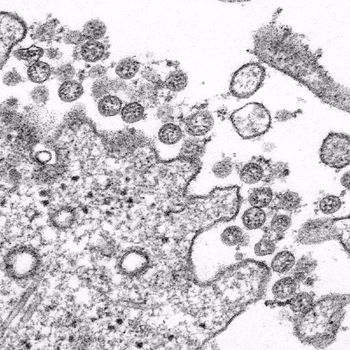
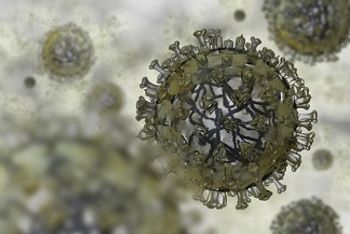
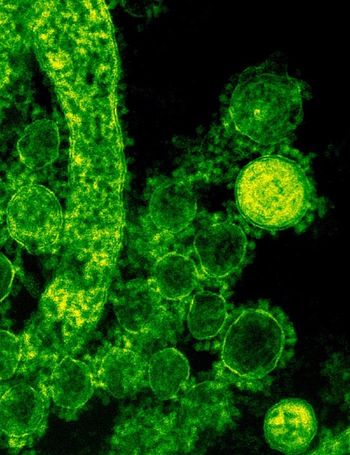
It's been given an official name, COVID-19, and will likely become known as SARS-CoV-2, when all is said and done.
In this uncertain time of constantly changing news and updates that often stress response efforts, it is important to focus on opportunities for prevention and ensuring staff have the right information.
Although the odds of another patient with EVD walking into your emergency department are slim, wouldn’t you rather be prepared?
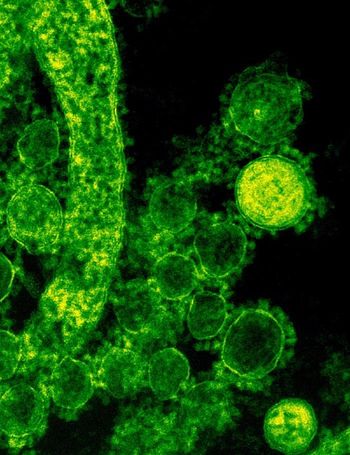
Infection preventionists keeping an eye on coronavirus.