
News
Advertisement
Advertisement
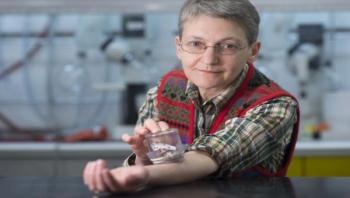
The world owes a debt of gratitude to Simon Fraser University biologist Regine Gries. Her arms have provided a blood meal for more than a thousand bed bugs each week for five years while she and her husband, biology professor Gerhard Gries, searched for a way to conquer the global bed bug epidemic. Working with SFU chemist Robert Britton and a team of students, they have finally found the solution -- a set of chemical attractants, or pheromones, that lure the bed bugs into traps and keep them there.
Advertisement
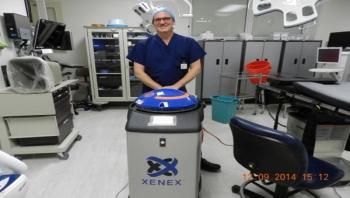
Xenex Disinfection Services announces that St. Cloud Surgical Center is the first ambulatory surgery center (ASC) in the U.S. and the first healthcare facility in St. Cloud to utilize a Xenex germ-zapping robot to enhance patient safety by destroying the deadly pathogens that can cause healthcare-associated infections (HAIs). St. Cloud Surgical Center is using Xenex’s full-spectrum UV disinfection system to disinfect its surgical suites daily.
Antibiotic-resistant bacteria, considered one of the world’s most urgent public health problems, infect more than 2 million people in the U.S. each year and cause at least 23,000 annual deaths. The Centers for Disease Control and Prevention (CDC) estimates that antibiotic resistance results in direct healthcare costs of $20 billion annually.
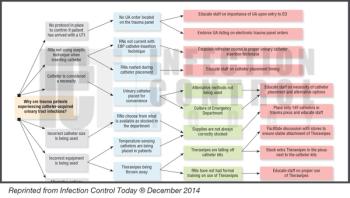
This is a story about nursing education – both academic and clinical. It’s a powerful example of how one can impact the other, and how both can lead to a new evidence-based best practice that benefits patients and their providers. It’s also about nursing compassion, and a willingness to change a culture in order to prevent patient suffering.
Advertisement
Advertisement
Trending on Infection Control Today
1
Hantavirus Concerns and Cruise Ship Hygiene: What Infection Preventionists Need to Know
2
Education, Advocacy, and Recognition: Malinda Elammari on the Future of Sterile Processing
3
IP LifeLine: Connecting With Specialized Recruiters and Navigating the Hiring Process
4