
News
Advertisement

Scientists have long believed that measuring the amount of HIV in a persons blood is an indicator of whether the virus is actively reproducing. A University of Delaware-led research team reports new evidence that hidden virus replication may be occurring within the bodys tissue, despite undetectable virus levels in the blood.
Advertisement
Advertisement
Advertisement

The tick-borne Lone Star virus has been conclusively identified as part of a family of other tick-borne viruses called bunyaviruses, which often cause fever, respiratory problems and bleeding, according to new research led by scientists at UC San Francisco (UCSF).

National Institutes of Health-supported scientists used lab-grown human lung cells to study the cells' response to infection by a novel human coronavirus (called nCoV) and compiled information about which genes are significantly disrupted in early and late stages of infection. The information about host response to nCoV allowed the researchers to predict drugs that might be used to inhibit either the virus itself or the deleterious responses that host cells make in reaction to infection. Since nCoV was recognized in 2012, 17 confirmed cases and 11 deaths have been reporteda high fatality rate that is spurring urgent research efforts to better understand the virus and its effects.
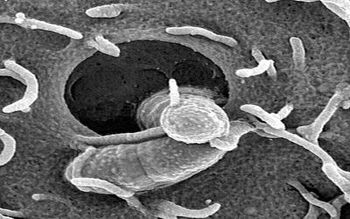
Even bacteria have a kind of immune system they use to defend themselves against unwanted intruders in their case, viruses. Scientists at the Helmholtz Center for Infection Research (HZI) in Braunschweig, Germany, were now able to show that this defense system is much more diverse than previously thought and that it comes in multiple versions. Their goal is to use the various newly discovered versions of the CRISPR-Cas gene for the targeted manipulation of genetic information, particularly for medical purposes.
Advertisement
Advertisement
Trending on Infection Control Today
1
Hantavirus Concerns and Cruise Ship Hygiene: What Infection Preventionists Need to Know
2
Education, Advocacy, and Recognition: Malinda Elammari on the Future of Sterile Processing
3
IP LifeLine: Connecting With Specialized Recruiters and Navigating the Hiring Process
4