
News
Advertisement

Advertisement
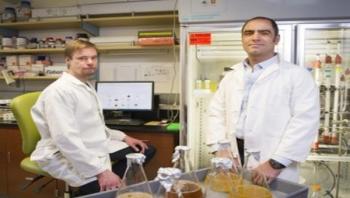
The research of two Montana State University microbiologists into how bacteria fend off attacks from viruses is included in a new paper published in the scientific journal Nature.
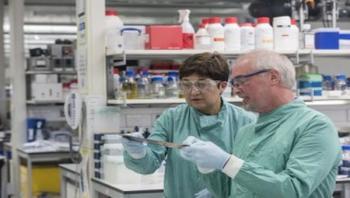
New research from the University of Southampton shows that copper can destroy MRSA spread by touching and fingertip contamination of surfaces. Frequently-touched surfaces in busy areas – such as hospitals, transport hubs and public buildings – are at high risk of community-acquired and healthcare-associated infections (HAIs) caused by methicillin-resistant Staphylococcus aureus (MRSA) and methicillin-sensitive Staphylococcus aureus (MSSA). Bacteria deposited on a surface by one person touching it, or via contaminated body fluids, can be picked up by subsequent users and spread to other surfaces, potentially causing thousands of infections worldwide. There were more than 800 cases of MRSA and almost 10,000 cases of MSSA reported by English NHS acute Trusts between April 1, 2014 and March 31, 2015.
Advertisement
Advertisement
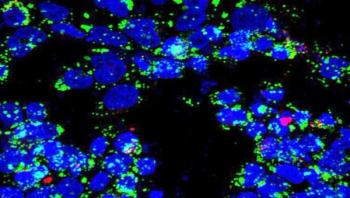
A new methodology developed by researchers at Rice and Rutgers universities could help scientists understand how and why a biochemical network doesn't always perform as expected. To test the approach, they analyzed the stress response of bacteria that cause tuberculosis and predicted novel interactions.
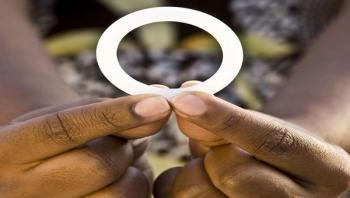
A ring that continuously releases an experimental antiretroviral drug in the vagina safely provided a modest level of protection against HIV infection in women, a large clinical trial in four sub-Saharan African countries has found. The ring reduced the risk of HIV infection by 27 percent in the study population overall and by 61 percent among women ages 25 years and older, who used the ring most consistently.

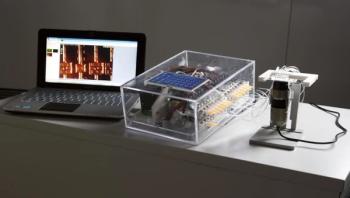
When remote regions with limited health facilities experience an epidemic, they need portable diagnostic equipment that functions outside the hospital. As demand for such equipment grows, EPFL researchers have developed a low-cost and portable microfluidic diagnostic device. It has been tested on Ebola and can be used to detect many other diseases.
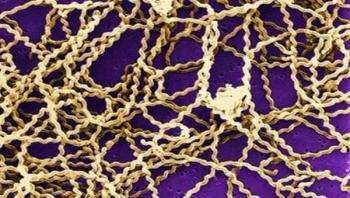
An international team of scientists, led by researchers at University of California, San Diego School of Medicine and the J. Craig Venter Institute (JCVI), have created the first comprehensive, cross-species genomic comparison of all 20 known species of Leptospira, a bacterial genus that can cause disease and death in livestock and other domesticated mammals, wildlife and humans.
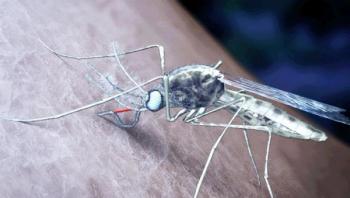
A three-dimensional 'map' of a critical protein that malaria parasites use to invade human red blood cells could lead to a vaccine countering the most widespread species of the parasite. The discovery also raises the prospect of a vaccine that could target both the most prevalent and the most deadly malaria parasites that infect humans, a significant development for the future of malaria prevention.
Advertisement
Advertisement