
News
Advertisement
Advertisement
Advertisement
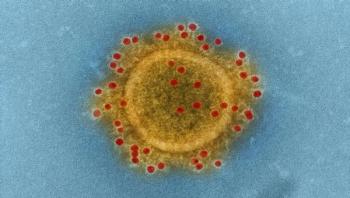
A novel synthetic DNA vaccine can, for the first time, induce protective immunity against the Middle East Respiratory Syndrome (MERS) coronavirus in animal species, reported researchers from the Perelman School of Medicine at the University of Pennsylvania.
Advertisement

Viruses are tiny-merely millionths of a millimeter in diameter-but what they lack in size, they make up in quantity. “If you were to take all the viruses from the planet, and lay them side by side, the length would be 1,000 times the length of the Milky Way,” says David Ussery, who leads the comparative genomics group at the Department of Energy’s Oak Ridge National Laboratory.
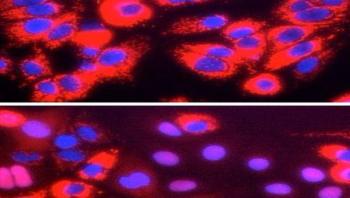
Worldwide, 185 million people have chronic hepatitis C. Since the late 1980s, when scientists discovered the virus that causes the infection, they have struggled to find ways to grow it in human cells in the lab -- an essential part of learning how the virus works and developing new effective treatments. In a study published in Nature on August 12, scientists led by Rockefeller University's Charles M. Rice, the Maurice R. and Corinne P. Greenberg Professor in Virology and head of the Laboratory of Virology and Infectious Disease, report that when they overexpressed a particular gene in human liver cancer cell lines, the virus could easily replicate. This discovery allows study of naturally occurring forms of hepatitis C virus (HCV) in the lab.
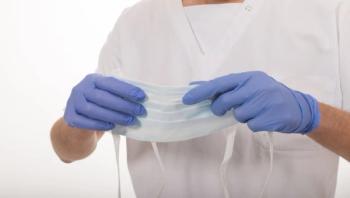

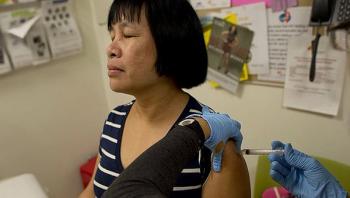
People who delay or refuse vaccines for themselves or their children are presenting a growing challenge for countries seeking to close the immunization gap. Globally, 1 in 5 children still do not receive routine life-saving immunizations, and an estimated 1.5 million children still die each year of diseases that could be prevented by vaccines that already exist, according to the World Health Organization (WHO).

Use of rapid response teams and strong community involvement in finding Ebola virus disease cases and contacts is yielding results in Sierra Leone. An epidemiological week has now passed with no new Ebola cases for the first time since the beginning of the outbreak.

Scientists report that lice populations in at least 25 states have developed resistance to over-the-counter treatments still widely recommended by doctors and schools. The researchers are presenting their work today at the 250th National Meeting & Exposition of the American Chemical Society (ACS), the world’s largest scientific society. The meeting features more than 9,000 presentations on a wide range of science topics and is being held here through Thursday.
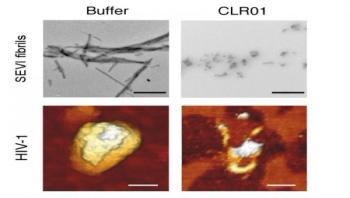
There may be two new ways to fight AIDS -- using a heat shock protein or a small molecule - to attack fibrils in semen associated with the human immunodeficiency virus (HIV) during the initial phases of infection, according to new research from the Perelman School of Medicine at the University of Pennsylvania. HIV is most commonly transmitted between individuals in semen, the male reproductive fluid, which contains deposits of protein fragments called amyloid fibrils. These fibrils can increase the transmission of HIV by helping the virus attach to the membrane surrounding human cells. The scientists surmise that therapies that reduce the levels of amyloid fibrils in semen might be able to reduce the transmission of HIV.
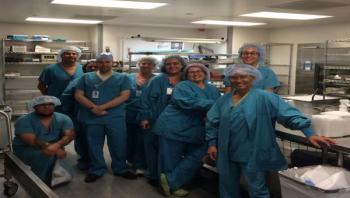
“Can’t you just hand-wash that piece of equipment and put it in the sterilizer?”That’s one question Tim Brooks hears often-especially from surgeons.The answer is usually, “No.”“I don’t think people really understand what it takes to get instruments back on the shelf,” says Brooks, BS, CSPM, senior manager of sterile processing at Banner University Medical Center in Tucson, Ariz. “Many doctors have no idea what the functions of the sterile processing department (SPD) are. The only real exposure they have is what they’ve been told by scrub techs and nurses in the OR suite. In my 28-plus years in this industry, I’ve only seen three surgeons come and walk through SPD. There is a standard of care for every patient. Every time we make an exception, we are changing things for the next patients.”

Human consumption of bacterially contaminated water causes millions of deaths each year throughout the world-primarily among children. While studying the material properties of paper as a graduate student, Theresa Dankovich, PhD, discovered and developed an inexpensive, simple and easily transportable nanotechnology-based method to purify drinking water. She calls it The Drinkable Book, and each page is impregnated with bacteria-killing metal nanoparticles.
Advertisement
Advertisement