News
Advertisement

Advertisement
Advertisement
Advertisement
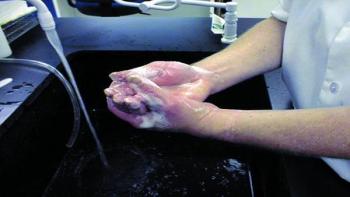
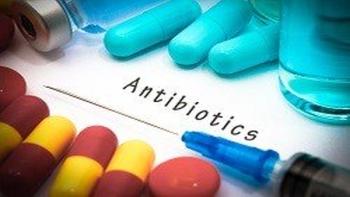

University of Alabama at Birmingham researchers have made the first direct demonstration that fecal donor microbes remained in recipients for months or years after a transplant to treat the diarrhea and colitis caused by recurrent Clostridium difficile infections -- a serious and stubborn cause of diarrhea after an antibiotic treatment for some other illness.
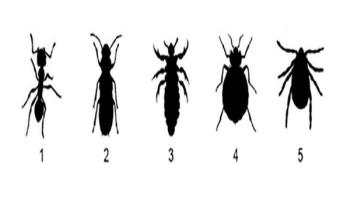
Most business and leisure travelers in the United States can't identify a bed bug, and yet the tiny pest evokes a stronger response in hotel guests than any other potential room deficiency--putting the hospitality industry in a difficult spot. In a survey of U.S. travelers conducted by researchers at the University of Kentucky, 60 percent said they would switch hotels if they found evidence of bed bugs in a guest room. Meanwhile, no more than a quarter said they would switch hotels for factors such as signs of smoking or dirty towels or linens. In the same survey, however, just 35 percent of business travelers and 28 percent of leisure travelers correctly identified a bed bug in a lineup of other common insects. The results of the research are soon to be published in American Entomologist, the quarterly magazine of the Entomological Society of America.
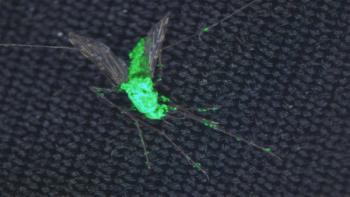



Imagine wearing a device that continuously analyzes your sweat or blood for different types of biomarkers, such as proteins that show you may have breast cancer or lung cancer. Rutgers engineers have invented biosensor technology – known as a lab on a chip – that could be used in hand-held or wearable devices to monitor your health and exposure to dangerous bacteria, viruses and pollutants.

The healthcare landscape is, of course, very different today than it was 40 years ago, when a landmark study first called for the involvement of an individual tasked with paying attention to infections in the hospital environment. As Dhar, et al. (2016) observe, "Infection prevention programs (IPP), now a standard in healthcare, saw their inception in the1970s and 1980s after studies (such as the CDC’s Study on the Efficacy of Nosocomial Infection Control [SENIC]) showed a 32 percent reduction in HAIs in hospitals with established programs compared with the 18 percent increases in infection in hospitals without." In the ensuing years, the National Nosocomial Infection Surveillance System for voluntary reporting of surveillance data was created, the Joint Commission has introduced accreditation into the picture, and, as Dhar, et al. (2016) point out, "Since this time, there have been several groups that have had direct influence on the development of IPP ranging from professional societies, government agencies, nonprofit organizations, and payors. This complex landscape for infection prevention has led to the development of quality initiatives, legislative reforms, shifts in payment for HAIs, and an increased demand for transparency through public reporting of HAI data."

The perspectives of more than 4,000 infection preventionists (IPs) have been captured by the Association of Professionals in Infection Control and Epidemiology (APIC) in its MegaSurvey conducted in 2015 to chronicle the progress that the profession is making in developing strategies to support comprehensive infection prevention practice.
Advertisement
Advertisement
Trending on Infection Control Today
1
What Is Trichophyton indotineae? Drug-Resistant Ringworm Spreads to 29 Countries
2
What Is Causing the 2026 US Measles Outbreak? Vaccination Rates, Travel, and Immigration Examined
3
Infection Control Today Launches First Digital Magazine for Infection Prevention Professionals
4
ICT Weekly Rounds – September 17, 2026: RIngworm, Measles, Ebola Updates
5