
News
Advertisement
Advertisement

Bank voles are small rodents that are not dangerous by themselves, but their excreta can contain one of the dangerous hantaviruses. While bank voles are unaffected by the infection, hantaviruses can cause potentially fatal diseases in humans for which no treatments exist. In central and northern Europe, infection is accompanied by fever, headache, or even renal failure. The strain that occurs in East Asia -- the Hantaan virus -- is even more dangerous: up to 5 percent of infected patients die of hemorrhagic fever, renal failure, or severe respiratory disorders.
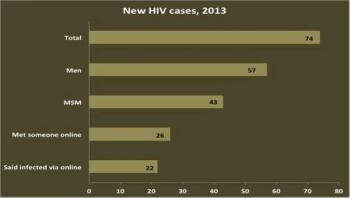
More than 60 percent of Rhode Island men who have sex with men (MSM) diagnosed with HIV in 2013 reported meeting sexual partners online in the preceding year, according to a study published today in the journal Public Health Reports.
Advertisement
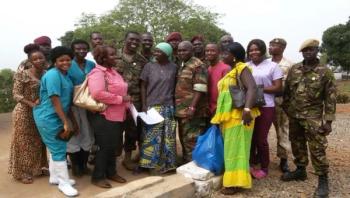
Researchers from the University of Liverpool's Institute of Translational Medicine have conducted a study of Ebola survivors to describe the medical problems they continue to have after recovering from the acute disease. The results have been published in the journal Emerging Infectious Diseases.

Scientists have a new tool for unraveling the mysteries of how diseases such as HIV move through a population, thanks to insights into phylogenetics, the creation of an organism's genetic tree and evolutionary relationships.
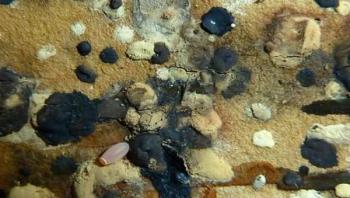
Bacteria in the gut of disease-bearing insects - including the mosquito which carries the Zika virus - can be used as a Trojan horse to help control the insects' population, new research at Swansea University has shown. The results showed declines in fertility of up to 100 percent and an increase of 60 percent in the mortality rate of larvae, among the insects studied.
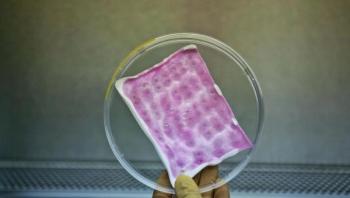
Serious burn victims are immunocompromised and may be missing skin on parts of their body, and this makes them highly vulnerable to bacteria. Thanks to progress in intensive care, they are decreasingly likely to die from burn trauma. Death is more commonly the result of infections that can occur several months after being hospitalized. The bandages used to treat burns actually represent a real breeding ground for microbes.
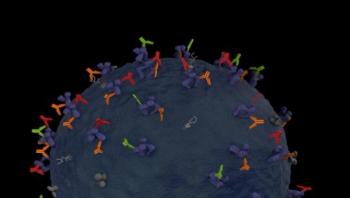
Researchers hope to develop vaccines, therapeutics and new diagnostic tests for a broad range of diseases. To accomplish this, they will need to gain a much better understanding of a critical class of biological components. Known as surface membrane proteins, these vital ingredients in the disease process form a structurally and functionally diverse assemblage of enormous complexity.

As the World Health Organization (WHO) continues its work to guide the international response to Zika, the director-general, Margaret Chan, MD, has arrived in the northeast part of the country to visit the area most affected by neurological disorders suspected of being linked to the virus, including microcephaly in babies.


The research of two Montana State University microbiologists into how bacteria fend off attacks from viruses is included in a new paper published in the scientific journal Nature.
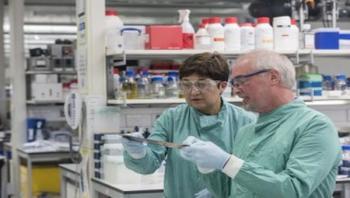
New research from the University of Southampton shows that copper can destroy MRSA spread by touching and fingertip contamination of surfaces. Frequently-touched surfaces in busy areas – such as hospitals, transport hubs and public buildings – are at high risk of community-acquired and healthcare-associated infections (HAIs) caused by methicillin-resistant Staphylococcus aureus (MRSA) and methicillin-sensitive Staphylococcus aureus (MSSA). Bacteria deposited on a surface by one person touching it, or via contaminated body fluids, can be picked up by subsequent users and spread to other surfaces, potentially causing thousands of infections worldwide. There were more than 800 cases of MRSA and almost 10,000 cases of MSSA reported by English NHS acute Trusts between April 1, 2014 and March 31, 2015.
Advertisement
Advertisement
Trending on Infection Control Today
1
What Is Trichophyton indotineae? Drug-Resistant Ringworm Spreads to 29 Countries
2
Infection Control Today Launches First Digital Magazine for Infection Prevention Professionals
3
What Is Causing the 2026 US Measles Outbreak? Vaccination Rates, Travel, and Immigration Examined
4
ICT Weekly Rounds – September 17, 2026: RIngworm, Measles, Ebola Updates
5