
News
Advertisement

Advertisement

With 400 million people infected annually across 100 countries, dengue virus poses a significant global health threat. To further research into dengue virus transmission, a project within the New Mexico State University Department of Biology has been awarded $400,000 by the National Institute of Allergy and Infectious Diseases, one of the National Institutes of Health.
Advertisement
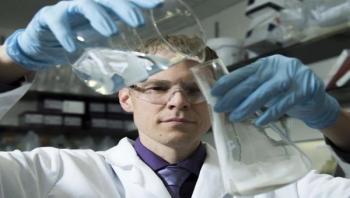
Researchers at Brigham Young University have devised a system to speed up the process of making life-saving vaccines for new viruses. Their concept is to create the biological machinery for vaccine production en masse, put it in a freeze-dried state and stockpile it around the country. Then, when a new virus hits, labs can simply add water to a 'kit' to rapidly produce vaccines.


A promising new drug for sepsis is on the horizon thanks to new funding from the British Heart Foundation, which could help take the laboratory discovery into the clinic. The first clinical trials of a treatment for deadly septic shock will only be possible if these studies, led by Dr. James Leiper at the Medical Research Council Clinical Sciences Centre (MRC CSC), take place.

A University of Georgia researcher has found that low levels of vitamin D may limit the effectiveness of HIV treatment in adults. Those with human immunodeficiency virus--commonly known as HIV--often struggle with declining health because their immune systems can't effectively respond to common pathogens. Their immune statuses, usually measured by CD4+T cells, normally improve when given HIV treatment.
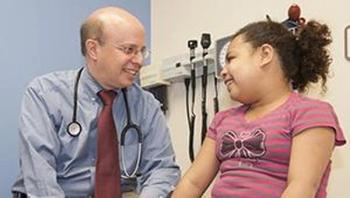
Respiratory infections are common in preschoolers, but while most children recover fairly easily from the typical coughs and congestion, a significant number develop illnesses severe enough to interfere with breathing and warrant trips to urgent care clinics or emergency rooms. In children whose colds tend to progress and lead to severe wheezing and difficulty breathing -- such that they are given oral corticosteroids as rescue therapy -- researchers have shown that giving a common antibiotic at the first sign of cold symptoms can reduce the risk of the episode developing into a severe lower respiratory tract illness.
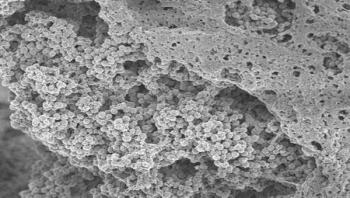
Biofilms frequently coat the surfaces of catheters, and of various medical implants and prostheses, where they can cause life-threatening infections. New research at the Sahlgrenska Academy show that coating implants with a certain "activator" can prevent Staphylococcus aureus, the leading cause of hospital-acquired infections, from forming biofilms.

Scientists have shown how a parasitic worm infection common in the developing world increases susceptibility to tuberculosis. The study demonstrated that treating the parasite reduces lung damage seen in mice that also are infected with tuberculosis, thereby eliminating the vulnerability to tuberculosis (TB) that the parasite is known to cause.
Advertisement
Advertisement
Trending on Infection Control Today
1
What Is Trichophyton indotineae? Drug-Resistant Ringworm Spreads to 29 Countries
2
Infection Control Today Launches First Digital Magazine for Infection Prevention Professionals
3
What Is Causing the 2026 US Measles Outbreak? Vaccination Rates, Travel, and Immigration Examined
4
ICT Weekly Rounds – September 17, 2026: RIngworm, Measles, Ebola Updates
5