
News
Advertisement
Advertisement
Advertisement
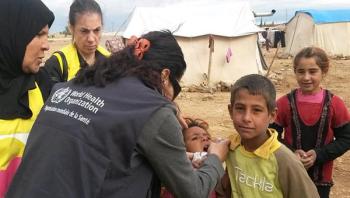
Since armed unrest erupted more than four years ago in Syria, resulting in huge movements of the population inside the country and spilling into neighboring countries, WHO has taken a lead role – one that continues in the face of crippling funding shortfalls - to support the displaced.
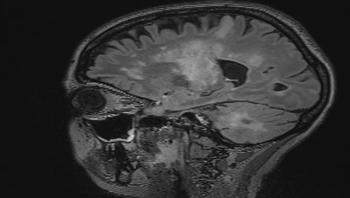
Researchers from the University of Zurich and the University Hospital Zurich reveal possible new treatment methods for a rare, usually fatal brain disease. Thanks to their discovery that specific antibodies play a key role in combating the viral infection, a vaccine against the disease progressive multifocal leukoencephalopathy could now be developed.

This Pulse summarizes best practices associated with environmental cleaning and surface disinfection in the ambulatory-care environment. It highlights basic infection prevention recommendations for outpatient settings, and reaffirms Standard Precautions as the foundation for preventing transmission of infectious agents during patient care in all healthcare settings.
The implantation of medical devices is not without risks. Bacterial or fungal infections can occur and the body's strong immune response may lead to the rejection of the implant. Researchers at Inserm/Strasbourg University have succeeded in creating a biofilm with antimicrobial, antifungal and anti-inflammatory properties. It may be used to cover titanium implants such as orthopedic prostheses or pacemakers to prevent or control post-operative infections. Other frequently used medical devices that cause numerous infectious problems, such as catheters, may also benefit. These results are published in the journal Advanced Healthcare Materials.
Advertisement
Advertisement
Trending on Infection Control Today
1
What Is Trichophyton indotineae? Drug-Resistant Ringworm Spreads to 29 Countries
2
Infection Control Today Launches First Digital Magazine for Infection Prevention Professionals
3
ICT Weekly Rounds – September 17, 2026: RIngworm, Measles, Ebola Updates
4
National EVS Week 2026: Why Environmental Services Is Essential to Infection Prevention and Patient Safety
5